

Welding quality plays an important role in construction, manufacturing, fabrication, and industrial projects. Tech-Mech provides technical training opportunities for individuals who want to develop professional inspection and quality-control skills. A welding inspector course can help learners understand how to examine welds, identify common defects, follow inspection procedures, and maintain quality standards. With practical welding inspection training, students can build knowledge that may support careers in fabrication workshops, construction projects, engineering companies, and industrial environments.
What Is a Welding Inspector Course?
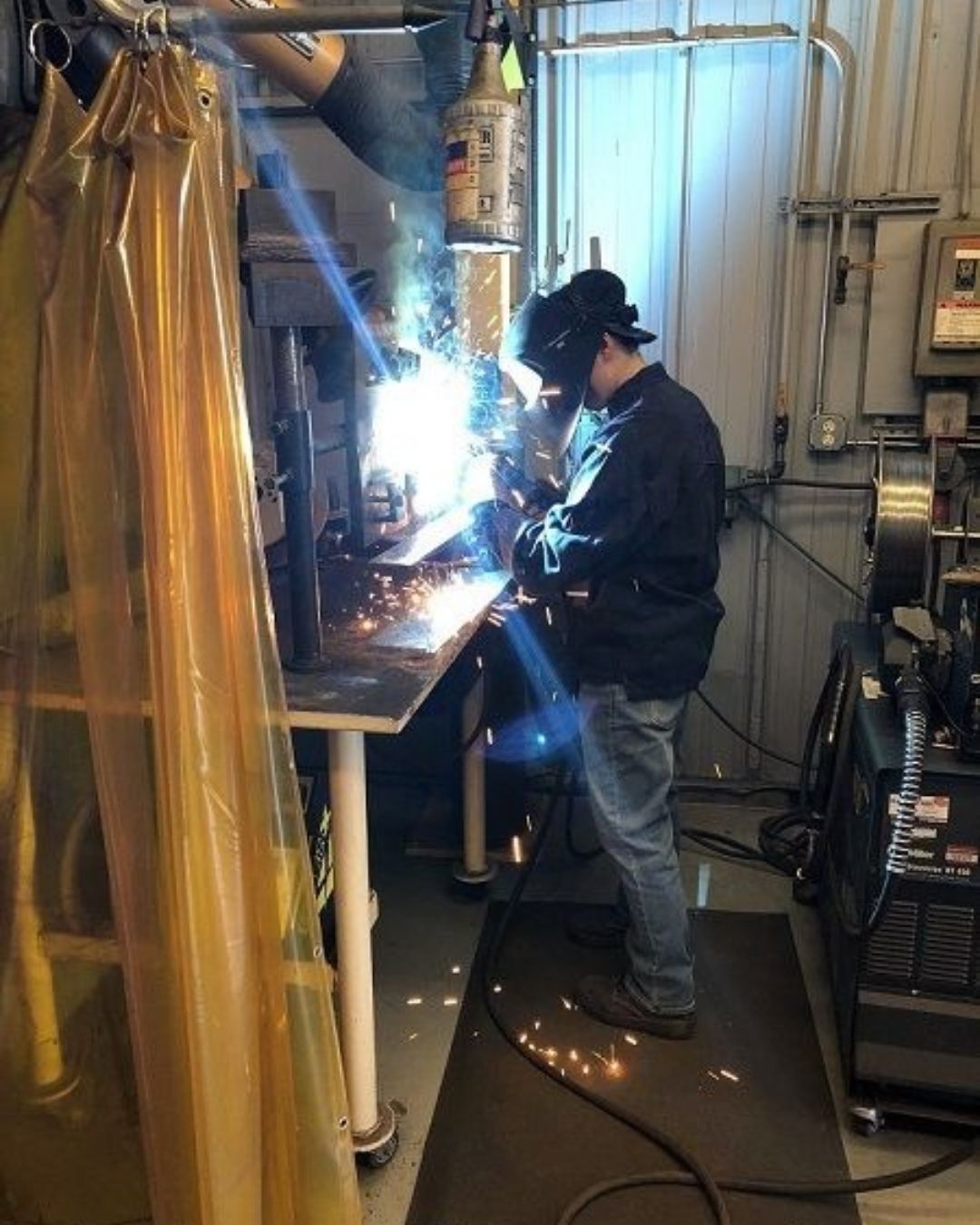
A welding inspector course focuses on the skills required to examine welding work and determine whether it meets specified quality requirements. A welding inspector does more than simply look at a finished weld. The role can involve checking materials, joint preparation, welding procedures, workmanship, and final weld quality.
Students can learn how to observe welding activities, identify visible problems, maintain inspection records, and understand basic quality requirements. This knowledge can be valuable for companies that need consistent and reliable welding work.
Why Welding Inspection Training Is Important
Professional welding inspection training helps learners understand how quality can be maintained throughout the welding process. Finding a problem early can prevent unnecessary repairs, material waste, and project delays.
Training may introduce students to:
- Weld inspection procedures
- Visual inspection techniques
- Welding defects
- Quality control principles
- Inspection documentation
- Welding symbols
- Basic testing methods
- Workplace safety
A strong understanding of these areas can help future inspectors perform their responsibilities more effectively.
Understanding Weld Inspection
Weld inspection is an important part of quality assurance. Inspectors may examine welds for issues such as cracks, porosity, undercut, incomplete fusion, or irregular weld profiles.
Visual inspection is often one of the first steps. Inspectors may use suitable measuring tools and visual examination methods to check the weld surface and joint appearance.
The exact inspection method depends on the project, material, welding process, and applicable standards.
Quality Control in Welding
Quality control helps ensure that welding work is completed according to established requirements. A welding inspector may review different stages of a project rather than checking only the final weld.
Important areas can include:
- Material identification
- Joint preparation
- Alignment
- Welding procedure compliance
- Welder performance
- Welding parameters
- Weld appearance
- Inspection records
Proper documentation can also help companies track inspection results and identify areas that need corrective action.
Introduction to NDT Training
NDT training, or Non-Destructive Testing training, introduces learners to methods used to examine materials and welds without damaging the component being tested.
Depending on the training program, learners may be introduced to methods such as visual testing, dye penetrant testing, magnetic particle testing, ultrasonic testing, or radiographic testing.
Each method has different applications and requirements. Students should understand that specialized NDT methods may require additional training, qualifications, and certification.
Practical Inspection Skills
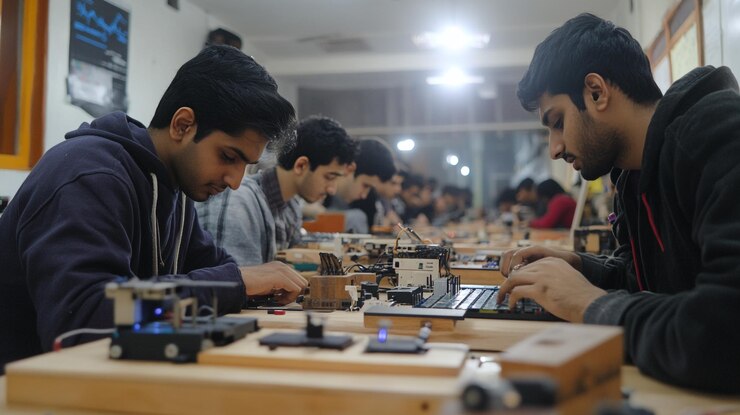
A good welding inspector needs practical knowledge as well as theoretical understanding. Training can include exercises that help students identify weld defects, use basic inspection tools, read welding information, and prepare inspection documentation.
Practical learning can help students understand how inspection principles are applied in real working environments.
Some activities may include:
- Visual examination of welds
- Measuring weld dimensions
- Identifying surface defects
- Reviewing welding procedures
- Checking joint preparation
- Recording inspection results
- Understanding inspection reports
Career Opportunities for Welding Inspectors
Welding inspection skills can be useful in several industries, including:
- Construction
- Manufacturing
- Metal fabrication
- Engineering
- Infrastructure
- Industrial maintenance
- Energy projects
- Oil and gas-related industries
The requirements for inspection positions vary by employer and project. Some roles may require specific certifications, previous welding experience, or specialized NDT qualifications.
How to Choose a Welding Inspector Course
Before enrolling in a course, students should review the curriculum carefully. It is useful to check whether the program includes practical inspection exercises, quality-control concepts, welding standards, documentation, and relevant testing methods.
Students should also consider instructor experience, training facilities, practical equipment, course duration, and certification options.
Choosing training that combines theory with practical activities can provide a stronger foundation for future professional development.
Building a Career in Welding Inspection
A career in welding inspection can develop gradually through education, practical experience, and relevant qualifications. Understanding welding processes can be particularly helpful because inspectors need to recognize how welding techniques can affect the final product.
Learners can continue developing their knowledge by studying welding standards, inspection procedures, technical drawings, quality systems, and NDT methods.
Continuous learning can help professionals stay prepared for changing project requirements and industry practices.
A welding inspector course can provide valuable knowledge for individuals interested in quality control and inspection within the welding industry. Through welding inspection training, learners can develop skills in weld inspection, quality control, documentation, and basic testing techniques.
At Tech-Mech, learners can explore technical education opportunities designed to support practical skill development. With proper training, relevant qualifications, and industry experience, students can build a strong foundation for inspection-related careers in construction, fabrication, manufacturing, engineering, and other industrial sectors.