
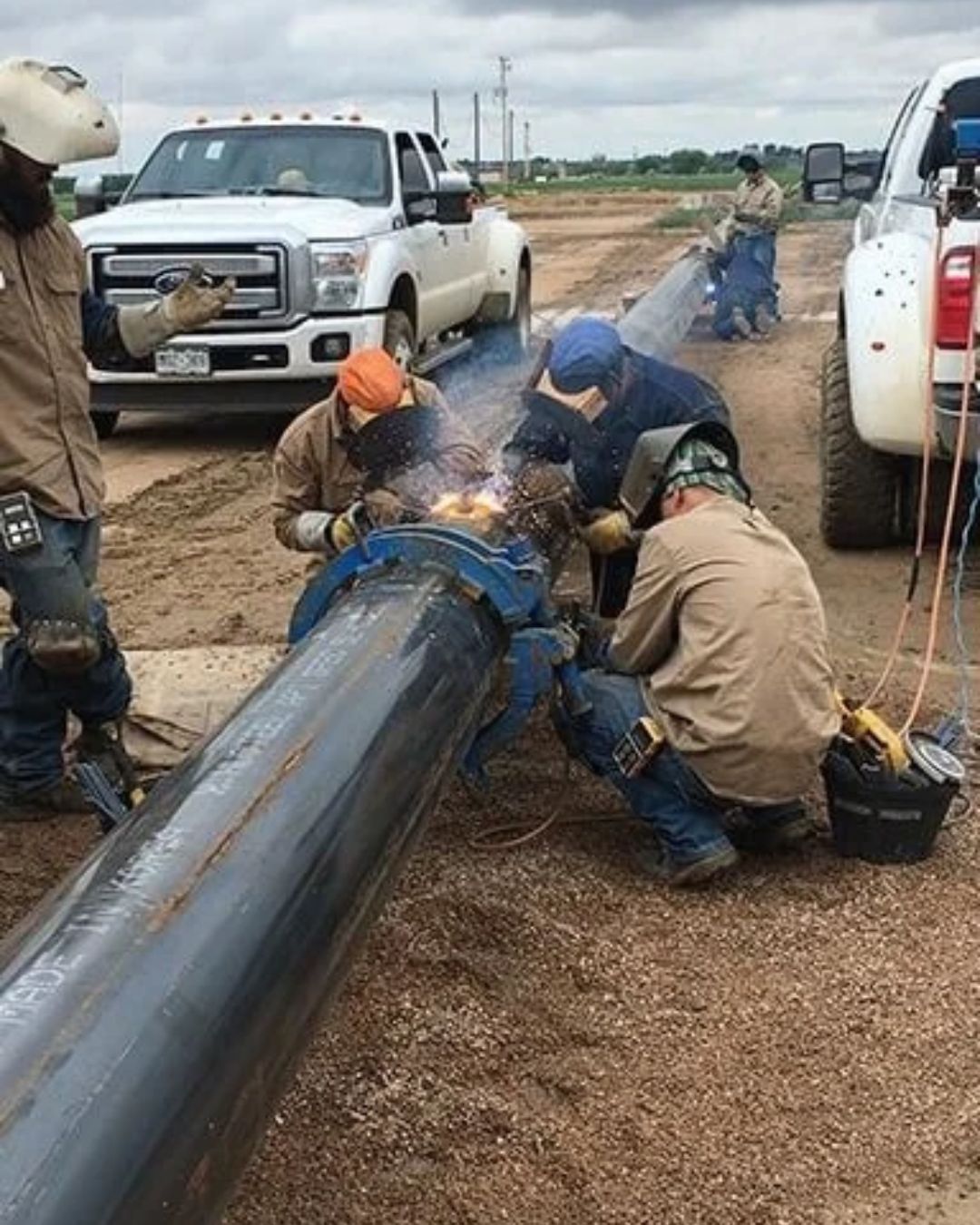

Pipeline welding is a specialized trade that requires accuracy, practical experience, and a strong understanding of welding procedures. Tech-Mech provides technical training opportunities for individuals who want to develop professional welding skills and prepare for industrial careers. A pipeline welder course focuses on practical techniques used for joining and repairing pipes in construction, manufacturing, energy, and other industrial environments. With proper pipeline welding training, learners can build a strong foundation in pipe welding, safety procedures, equipment handling, and workplace practices.
What Is Pipeline Welding?
Pipeline welding involves joining sections of pipe to create strong and reliable connections. It is different from some general welding applications because pipes can have curved surfaces, different wall thicknesses, and challenging welding positions.
A pipeline welder needs good control over the welding process and must pay close attention to joint preparation, alignment, heat control, and weld quality.
Training helps learners understand the basic principles of pipe welding and develop practical skills through repeated workshop exercises.
Why Pipeline Welding Training Is Important
Professional pipeline welding training can help learners develop the skills needed to work with different pipe configurations and welding conditions. Practical learning is especially important because pipe welding requires coordination and precision.
During training, students can learn about:
- Pipe preparation and alignment
- Welding equipment setup
- Different welding positions
- Electrode selection
- Welding safety
- Joint preparation
- Weld quality
- Basic defect identification
These skills can help students become more confident when performing practical welding tasks.
Learning Pipe Welding Techniques
Pipe welding requires a different approach from welding flat metal surfaces. Because the welder works around a curved joint, maintaining the correct torch or electrode angle can be challenging.
Students can practice welding in different positions and learn how travel speed, heat input, electrode angle, and technique influence the final weld.
Regular practice allows learners to improve their control and understand how to maintain a consistent weld around the pipe.
Understanding SMAW Pipe Welding
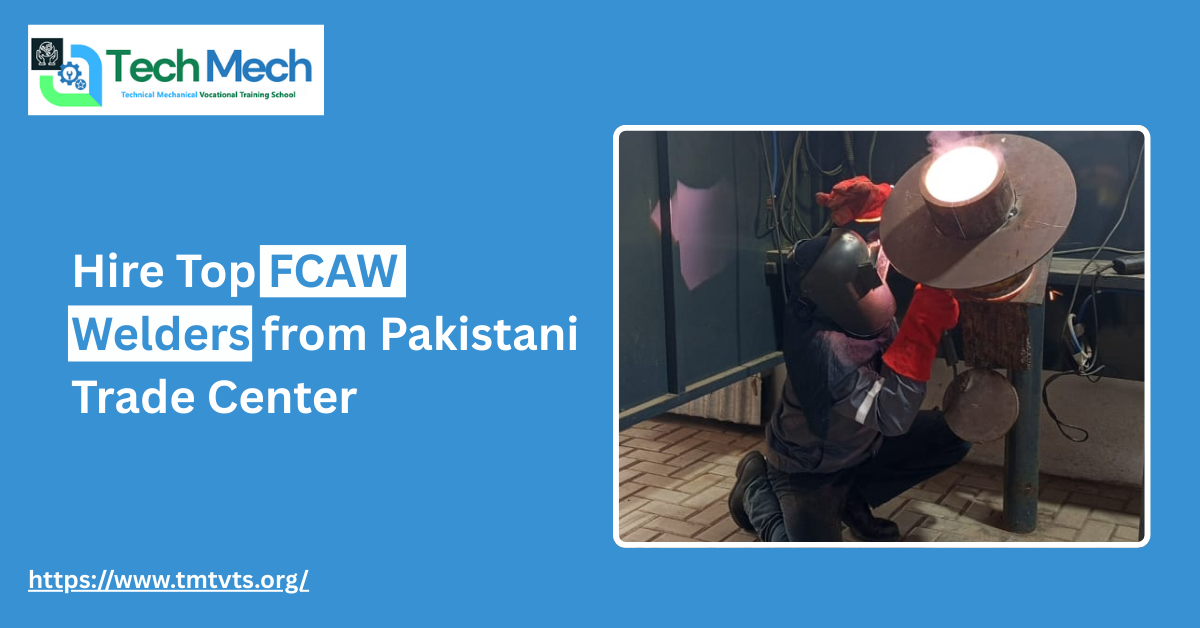
SMAW pipe welding is an important technique used in many construction, fabrication, maintenance, and industrial applications. SMAW, commonly called stick welding, uses a consumable electrode to create the welding arc.
During training, learners can practice electrode handling, arc control, welding positions, and joint preparation.
SMAW can be particularly useful in situations where portable equipment and flexibility are important. Learning this process can give aspiring pipeline welders a practical foundation for further development.
Practical Workshop Experience
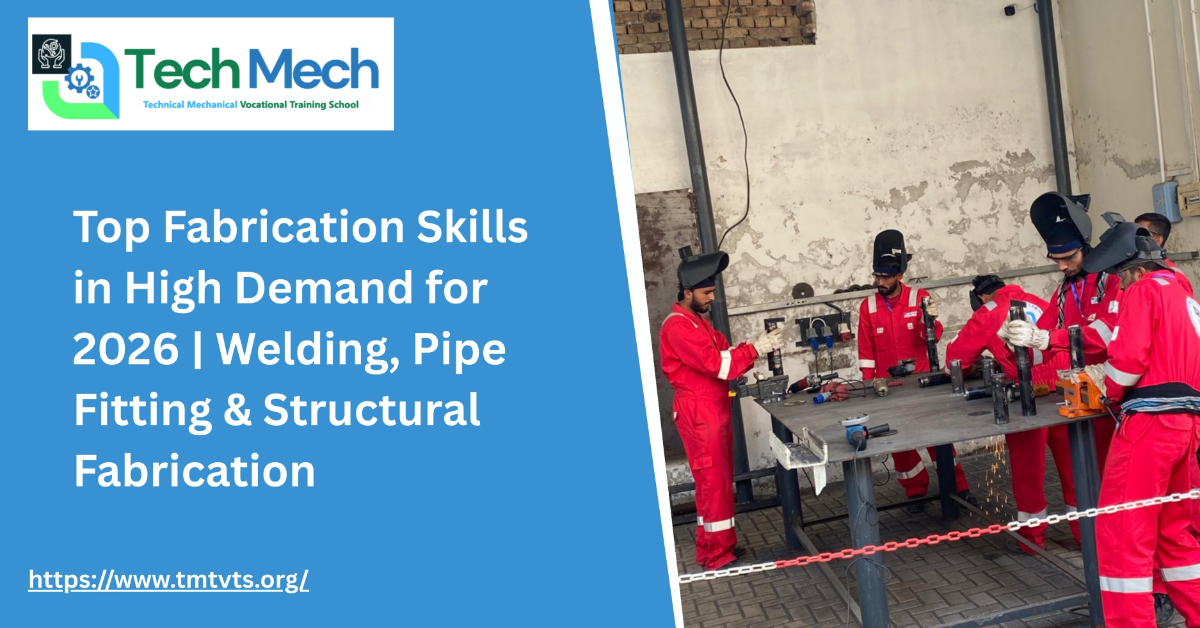
Pipeline welding skills cannot be developed through theory alone. Hands-on workshop practice gives learners an opportunity to work with real equipment and understand the challenges involved in pipe welding.
Practical exercises may include:
- Preparing pipe joints
- Aligning pipe sections
- Setting welding equipment
- Practicing different positions
- Controlling the welding arc
- Inspecting weld appearance
- Identifying common defects
- Following safety procedures
Instructor guidance can help students correct mistakes and improve their technique.
Importance of Welder Certification
Welder certification can be an important part of professional development, particularly when applying for specialized welding positions. Certification requirements vary according to the employer, project, welding process, and country.
Some employers may also require practical trade tests to confirm that candidates can perform the required welding work.
Workers interested in overseas opportunities should research the specific certification and qualification requirements of their target employer and industry.
Career Opportunities for Pipeline Welders
Pipeline welding skills can be relevant to several industries, including:
- Construction
- Energy projects
- Industrial fabrication
- Manufacturing
- Infrastructure
- Plant maintenance
- Oil and gas-related projects
- Engineering services
The requirements for each position can differ, and specialized roles may require additional experience, testing, safety training, or certification.
A pipeline welder course can help individuals develop specialized pipe welding skills and understand the practical requirements of industrial welding. Through pipeline welding training, learners can improve their knowledge of pipe preparation, welding positions, SMAW pipe welding, safety, and weld quality.
At Tech-Mech, practical technical education can help learners build useful skills for construction, industrial, and energy-sector careers. With consistent workshop practice, relevant welder certification, and real-world experience, aspiring pipeline welders can continue developing their abilities and prepare for suitable professional opportunities.