

Welding is an important technical skill used in construction, manufacturing, fabrication, and industrial projects. Tech-Mech provides technical training opportunities for individuals who want to develop practical welding abilities and prepare for professional work. A wire feed welder course can help learners understand modern wire-based welding techniques, equipment handling, workplace safety, and practical applications. By learning wire feed welding, students can build skills that may support careers in fabrication workshops, manufacturing facilities, construction projects, and other industrial environments.
What Is Wire Feed Welding?
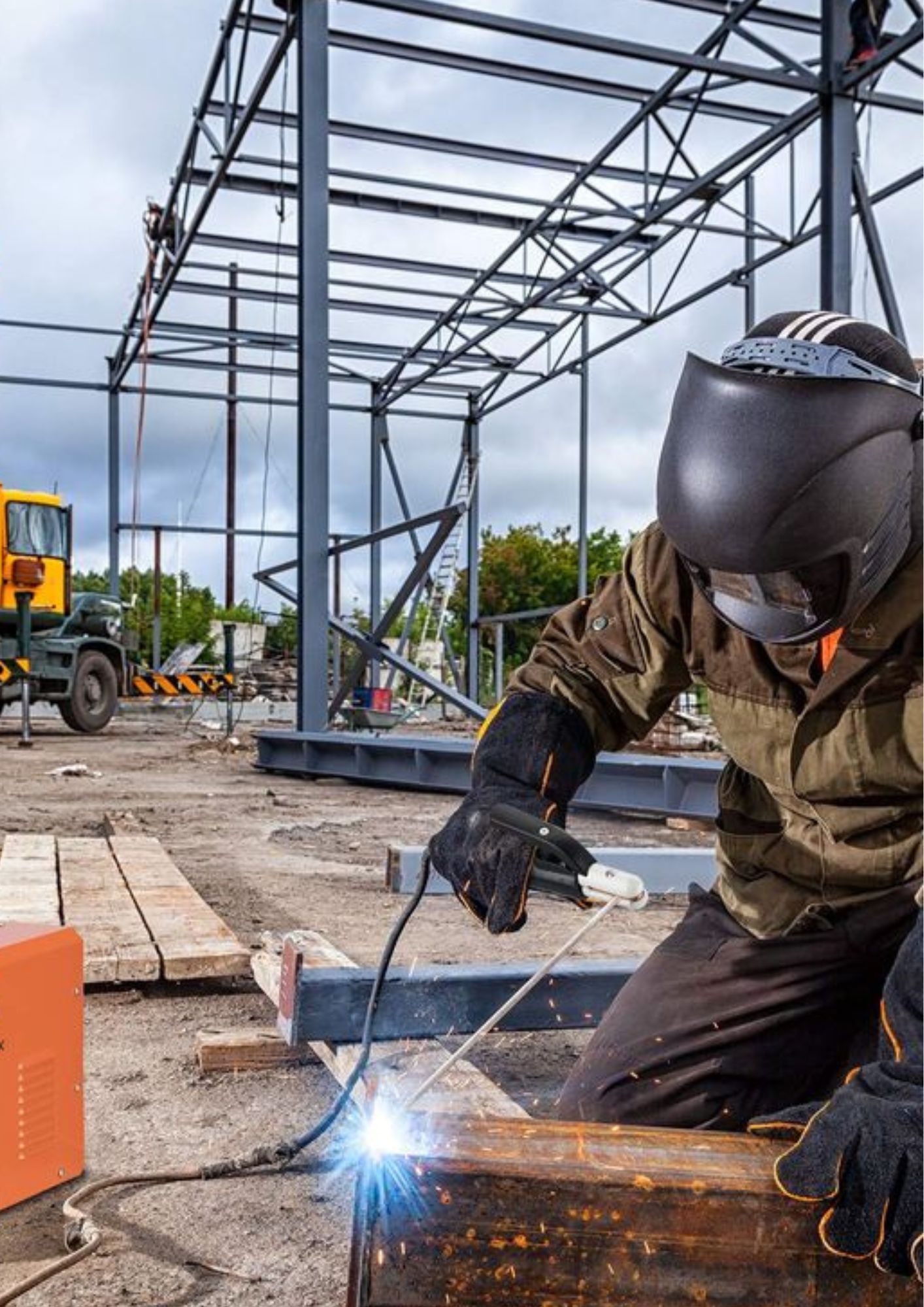
Wire feed welding uses a continuously supplied welding wire instead of manually replacing individual electrodes after each weld. This can make the welding process more efficient and suitable for many production and fabrication applications.
During training, students can learn how to operate wire feed equipment, prepare materials, select appropriate settings, and maintain proper welding technique. Practical experience is important because factors such as wire speed, voltage, travel speed, and material preparation can affect the final weld.
A structured course helps beginners and existing welders understand these factors and develop better control.
Learning GMAW Welding
One of the most widely recognized wire feed processes is GMAW welding, commonly known as MIG welding. GMAW uses a continuously fed wire electrode along with shielding gas to protect the weld area.
Students can learn basic GMAW techniques, equipment setup, wire selection, gas flow, torch movement, and welding positions. Regular practice helps learners understand how different settings affect weld appearance and quality.
GMAW can be useful in manufacturing, fabrication, automotive work, construction, and other applications where continuous welding is required.
Understanding FCAW Welding
FCAW welding, or Flux-Cored Arc Welding, is another important wire feed process. Instead of using a solid wire, FCAW uses a tubular wire containing flux.
Depending on the application, FCAW can be performed with or without external shielding gas. This makes it suitable for different working conditions and industrial applications.
Through practical training, learners can become familiar with FCAW equipment, wire selection, welding technique, safety procedures, and basic defect identification.
Introduction to SAW Welding
SAW welding, or Submerged Arc Welding, is another process that students may explore as part of specialized wire feed welding education. It uses a continuously fed electrode and granular flux to protect the welding area.
SAW is commonly associated with industrial and heavy fabrication applications where long, continuous welds are required.
Understanding the basic principles of SAW can help learners see how wire feed welding is applied in larger industrial environments.
Importance of Practical Training
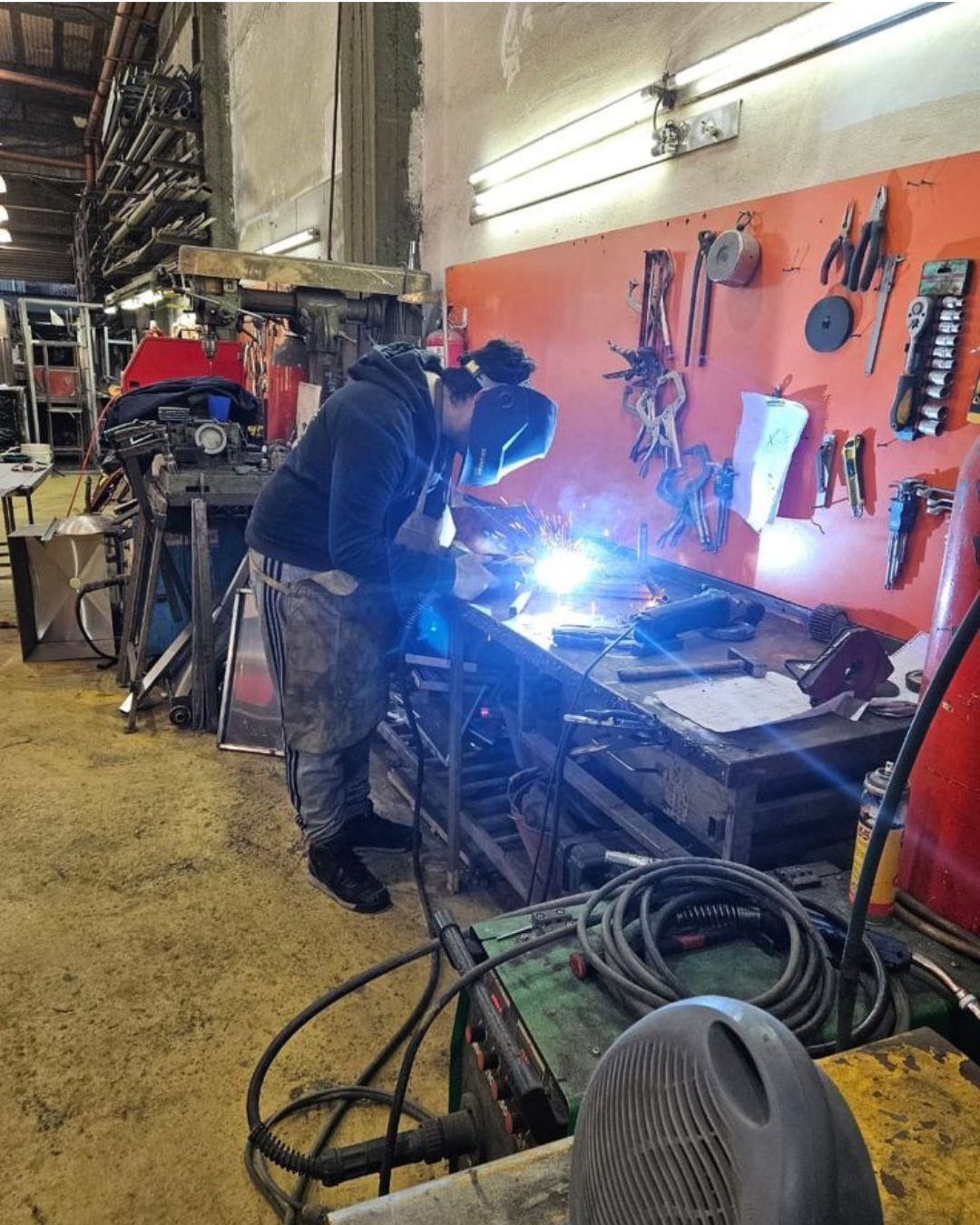
Welding is a hands-on trade, so practical workshop experience is an essential part of learning. Students need an opportunity to work with equipment and understand how different settings influence the welding process.
Training may include:
- Equipment setup
- Wire selection
- Material preparation
- Joint preparation
- Welding positions
- Torch or gun control
- Weld bead practice
- Basic quality inspection
- Welding safety
With regular practice, learners can improve their coordination, accuracy, and confidence.
Career Opportunities
Wire feed welding skills can be useful in several industries, including:
- Construction
- Manufacturing
- Metal fabrication
- Engineering
- Industrial maintenance
- Heavy equipment production
- Structural fabrication
- Workshop and repair services
The exact requirements depend on the employer and position. Additional experience, certification, and practical testing may be required for specialized jobs.
A wire feed welder course can provide valuable technical knowledge for individuals who want to expand their welding abilities. By learning wire feed welding and exploring processes such as GMAW welding, FCAW welding, and SAW welding, students can develop a broader understanding of modern welding techniques.
At Tech-Mech, learners can explore practical technical training opportunities designed to support skill development. With consistent practice, workplace experience, and relevant qualifications, students can build a strong foundation for careers in construction, fabrication, manufacturing, and other industrial fields.