

Learning more than one welding process can give professionals greater flexibility in today’s competitive industrial job market. Tech-Mech provides technical training opportunities for individuals who want to develop practical welding abilities and improve their career prospects. A multi welder course is designed to introduce learners to different welding processes, helping them understand how various techniques are used in construction, fabrication, manufacturing, and industrial projects. With proper practice and guidance, students can develop valuable skills that prepare them for a wider range of welding tasks.
What Is a Multi Welder Course?
A multi welder course focuses on teaching more than one welding process instead of limiting students to a single technique. This type of training can be useful for people who want to become more versatile and capable of handling different welding requirements.
Different projects may require different welding methods depending on the material, joint type, thickness, position, and quality requirements. A welder who understands multiple processes can adapt more easily to changing workplace demands.
The course generally combines theoretical knowledge with hands-on workshop practice so learners can understand both the principles and practical application of each welding process.
Why Multi Process Welding Is Important
Multi process welding gives welders the opportunity to develop a broader technical skill set. Instead of depending on one process, trained welders can learn how to select and use suitable techniques for different applications.
Some advantages of learning multiple welding processes include:
- Greater flexibility at work
- Better understanding of welding techniques
- Ability to work on different projects
- Improved equipment handling
- Broader career opportunities
- Stronger practical knowledge
- Preparation for industrial environments
For employers, workers with multiple welding skills can provide greater flexibility when project requirements change.
Learning GTAW Welding
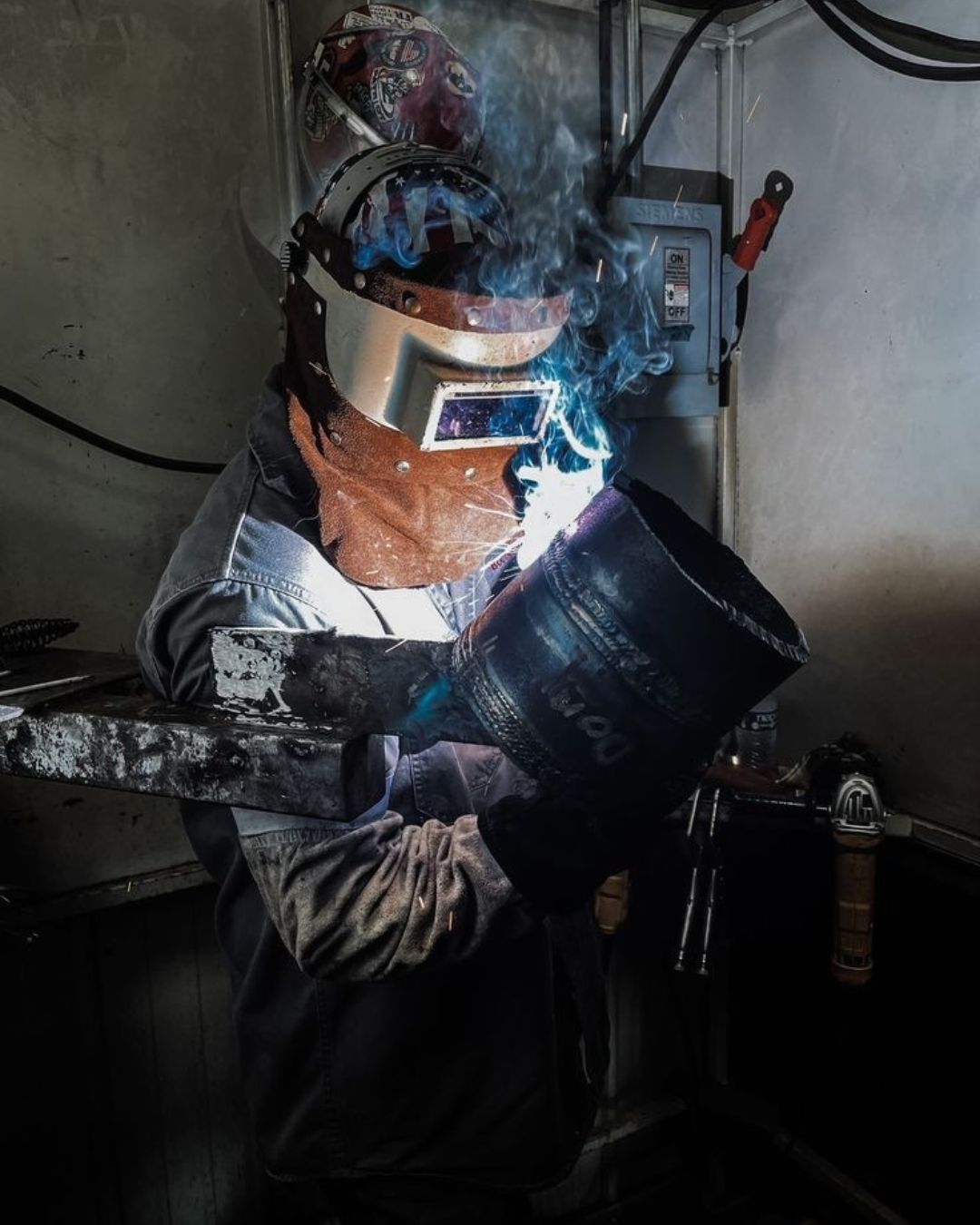
One important process included in advanced welding education is GTAW welding, also known as TIG welding. This process uses a non-consumable tungsten electrode and is known for providing precise and controlled welds.
During practical training, students can learn about torch handling, electrode preparation, shielding gas, filler materials, and basic GTAW techniques. Since TIG welding requires careful control, regular practice is essential for developing accuracy.
Learning GTAW can help welders expand their abilities and prepare for applications where precision and weld quality are particularly important.
Understanding SMAW Welding
SMAW welding, commonly called stick welding, is another important process for professional welders. It uses a consumable electrode to create an electric arc and produce the weld.
Students can learn how to prepare the workpiece, select suitable electrodes, strike an arc, maintain proper electrode movement, and create consistent weld beads.
SMAW is useful in many practical applications, particularly where portability and flexibility are important. Learning this process alongside other techniques can help students become more adaptable workers.
Practical Training and Skill Development
Welding is a hands-on trade, so practical training plays a major role in a multi welder course. Students need opportunities to practice different processes and understand how each technique behaves under different conditions.
Training may include:
- Equipment setup
- Material preparation
- Joint preparation
- Different welding positions
- Welding safety
- Basic defect identification
- Weld quality inspection
- Practical workshop exercises
Repeated practice helps students improve coordination, equipment control, welding speed, and overall confidence.
Importance of Welder Certification
Practical skills are important, but welder certification can also support professional development. Certification requirements vary according to the employer, industry, welding process, and country.
A relevant certification may demonstrate that a worker has completed specific training or successfully passed an assessment. However, certification should be combined with practical experience and good technical knowledge.
Workers interested in overseas employment should research the specific certification and qualification requirements of their target industry and country.
Career Opportunities for Multi Skilled Welders
Professionals with experience in multiple welding processes may find opportunities across different sectors, including:
- Construction
- Metal fabrication
- Manufacturing
- Engineering
- Industrial maintenance
- Infrastructure projects
- Equipment manufacturing
- General fabrication
The exact requirements depend on the employer and position. Additional experience, certifications, and specialized training may be required for certain jobs.
Choosing the Right Multi Welder Course
Before enrolling, students should check the practical content of the course and the welding processes included. It is also useful to consider workshop facilities, equipment quality, instructor experience, course duration, safety training, and certification options.
A good training program should provide enough hands-on practice to help students understand each welding process rather than focusing only on classroom theory.
A multi welder course can be a valuable choice for individuals who want to develop a broader range of professional welding skills. Through multi process welding training, learners can gain practical experience in processes such as GTAW welding and SMAW welding, while also developing a stronger understanding of workplace safety and welding quality.
At Tech-Mech, practical technical education can help learners build skills that support careers in construction, fabrication, manufacturing, and other industrial sectors. With continued practice, relevant welder certification, and real-world experience, multi-skilled welders can become better prepared for changing workplace requirements and future career opportunities.