
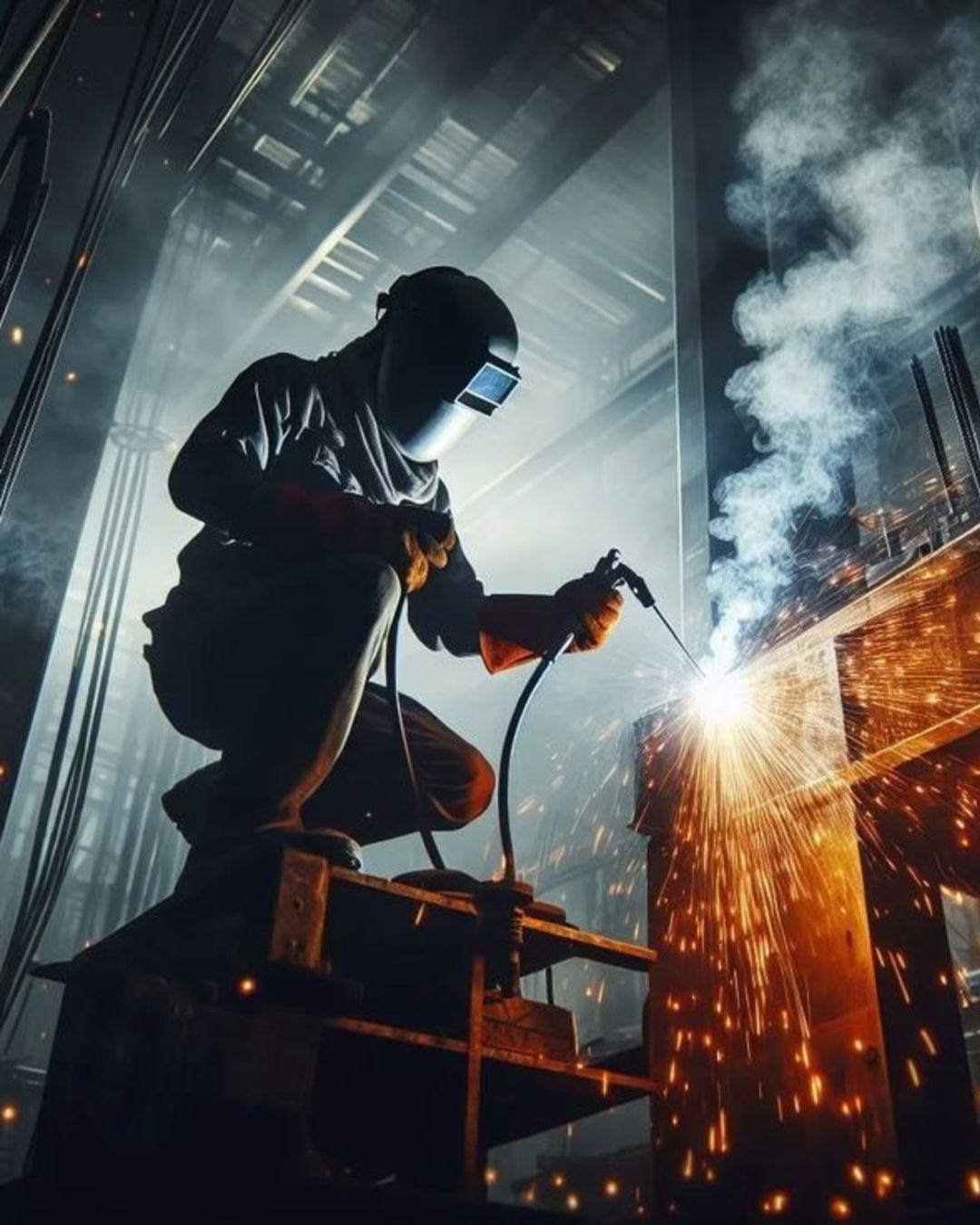

Tech-Mech provides industry-focused welding training designed to help aspiring professionals develop the practical knowledge and technical abilities required for international careers. As demand for skilled workers continues to grow across construction, manufacturing, oil and gas, and other industrial sectors, developing strong industrial welding skills is essential for welders who want to build successful careers in Pakistan and overseas.
Why Industrial Welding Skills Matter
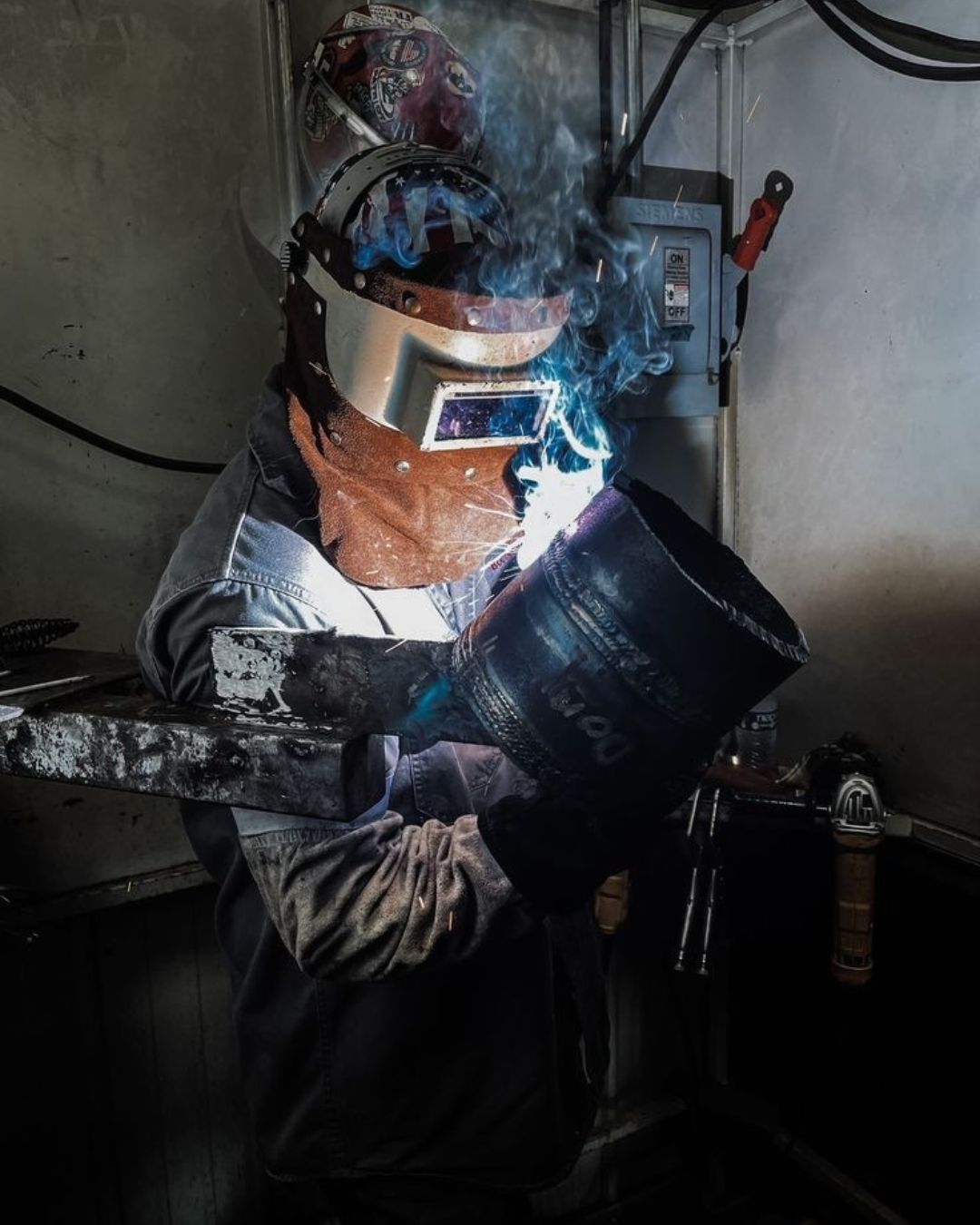
Industrial welding requires much more than simply joining two pieces of metal. Welders must understand different welding processes, materials, equipment, safety procedures, and quality standards. Employers look for professionals who can complete accurate, strong, and reliable welds while maintaining workplace safety.
Strong welding skills can help workers:
- Improve job performance
- Reduce material waste
- Maintain high-quality welds
- Follow project specifications
- Improve workplace safety
- Increase employment opportunities
Professional welding training provides a strong foundation for developing these abilities.
1. Knowledge of Welding Techniques
An industrial welder should understand different welding processes and know when to use each technique. Common methods include:
- Shielded Metal Arc Welding (SMAW)
- Gas Metal Arc Welding (MIG)
- Gas Tungsten Arc Welding (TIG)
- Flux-Cored Arc Welding (FCAW)
- Pipe welding
- Structural welding
Knowledge of multiple techniques allows welders to work on different industrial projects and meet employer requirements.
2. Blueprint and Drawing Reading
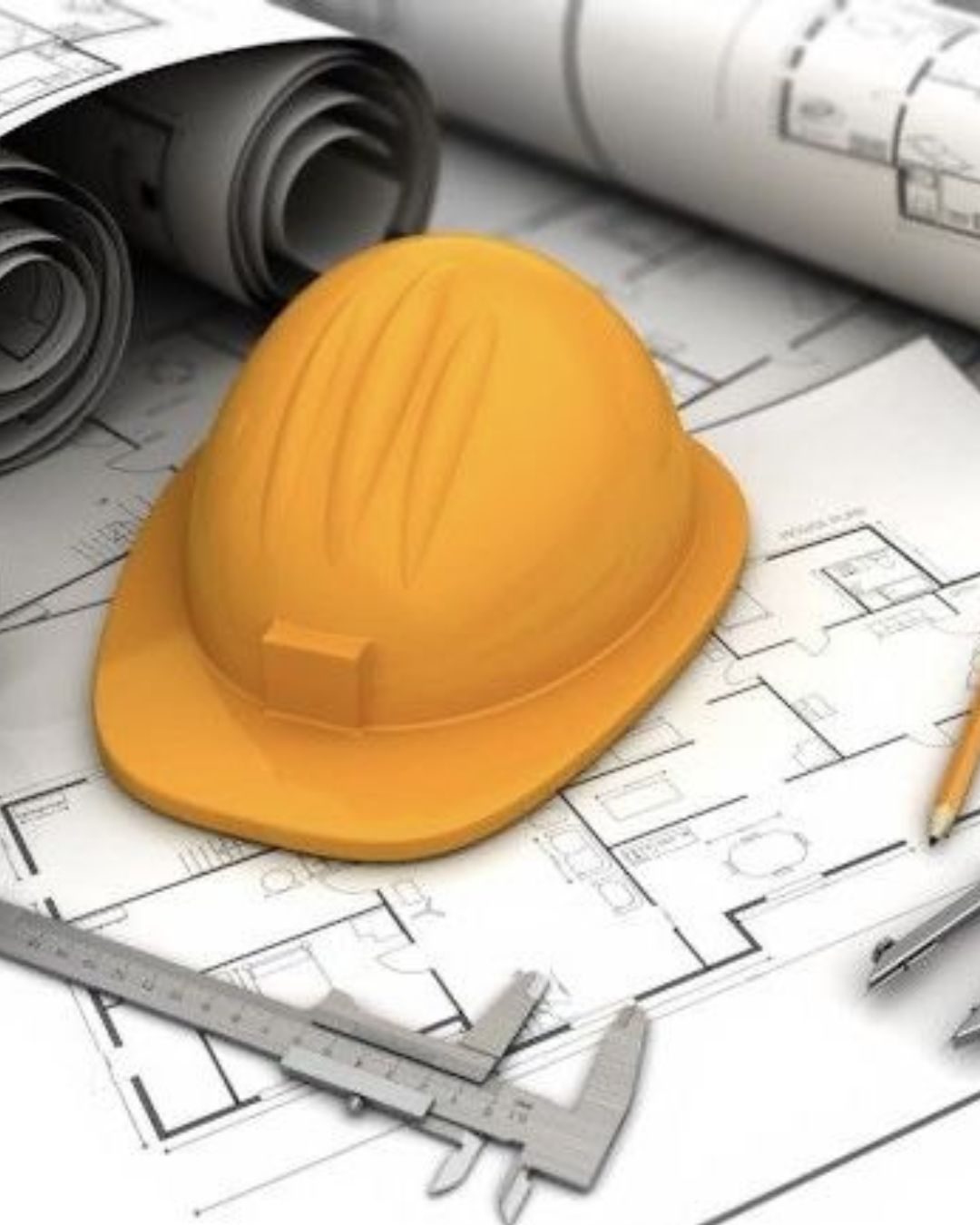
Reading technical drawings and welding symbols is another essential skill. Industrial welders often work according to engineering plans that specify measurements, materials, joint types, and welding requirements.
A welder who can accurately understand blueprints can reduce errors, improve productivity, and complete projects according to technical specifications.
3. Fabrication Knowledge
Experience with fabrication can make a welder more valuable to employers. Fabrication involves cutting, shaping, fitting, and assembling metal components before or during welding.
Basic fabrication skills can help welders work on:
- Steel structures
- Industrial machinery
- Pipelines
- Metal frameworks
- Mechanical components
Combining welding and fabrication knowledge creates more career opportunities in industrial environments.
4. Welding Safety
Welding safety should always be a priority. Welders work with high temperatures, electrical equipment, sparks, fumes, and heavy materials, making proper safety procedures essential.
Important safety practices include:
- Using appropriate PPE
- Inspecting welding equipment
- Maintaining proper ventilation
- Preventing fire hazards
- Handling gas cylinders safely
- Following workplace safety procedures
A skilled welder should never compromise safety for speed.
5. Precision and Attention to Detail
Industrial projects require accurate welds that meet strict quality standards. Small mistakes can result in weak joints, structural problems, material waste, or expensive rework.
Professional welders must pay close attention to:
- Welding angles
- Joint preparation
- Heat control
- Weld size
- Penetration
- Surface defects
Strong attention to detail helps produce consistent and reliable results.
6. Problem-Solving Skills
Industrial projects can involve unexpected challenges such as material defects, equipment issues, incorrect measurements, or difficult welding positions.
Good welders should be able to identify problems and find practical solutions without compromising safety or quality. Strong problem-solving abilities can also improve productivity and reduce project delays.
7. Physical Fitness and Endurance
Welding can involve long working hours, uncomfortable positions, elevated platforms, confined spaces, and demanding industrial environments. Physical fitness and endurance help welders perform their responsibilities safely and consistently.
8. Quality Control Awareness
Understanding basic quality control is essential for professional welders. Workers should know how to visually inspect welds and identify common defects such as cracks, porosity, undercutting, and incomplete fusion.
Quality-focused welders help employers reduce rework and maintain project standards.
Certified Welders Have More Opportunities
Employers often prefer certified welders because certification demonstrates verified technical competence. Certification can increase employer confidence and improve opportunities in construction, manufacturing, oil and gas, and other industrial sectors.
Workers with recognized training and certification may have better opportunities for:
- International employment
- Higher-level positions
- Competitive salaries
- Long-term career growth
- GCC job opportunities
Recruitment and Skilled Manpower
Professional recruitment companies help employers find qualified manpower for large-scale industrial projects. Companies searching for welders often consider technical training, certification, practical experience, and safety knowledge when selecting candidates.
Tech-Mech supports technical skills development and overseas employment pathways, helping prepare workers for opportunities in Saudi Arabia, Oman, Bahrain, and other GCC markets.
Developing strong industrial welding skills is essential for welders who want to succeed in today’s competitive industrial workforce. Technical welding knowledge, fabrication skills, blueprint reading, precision, problem-solving, quality control, and welding safety all contribute to professional success.
With proper welding training, certification, and practical experience, aspiring welders can become valuable certified welders and access opportunities across construction, manufacturing, oil and gas, and GCC industries. Building these skills today can create a stronger foundation for long-term international career growth.