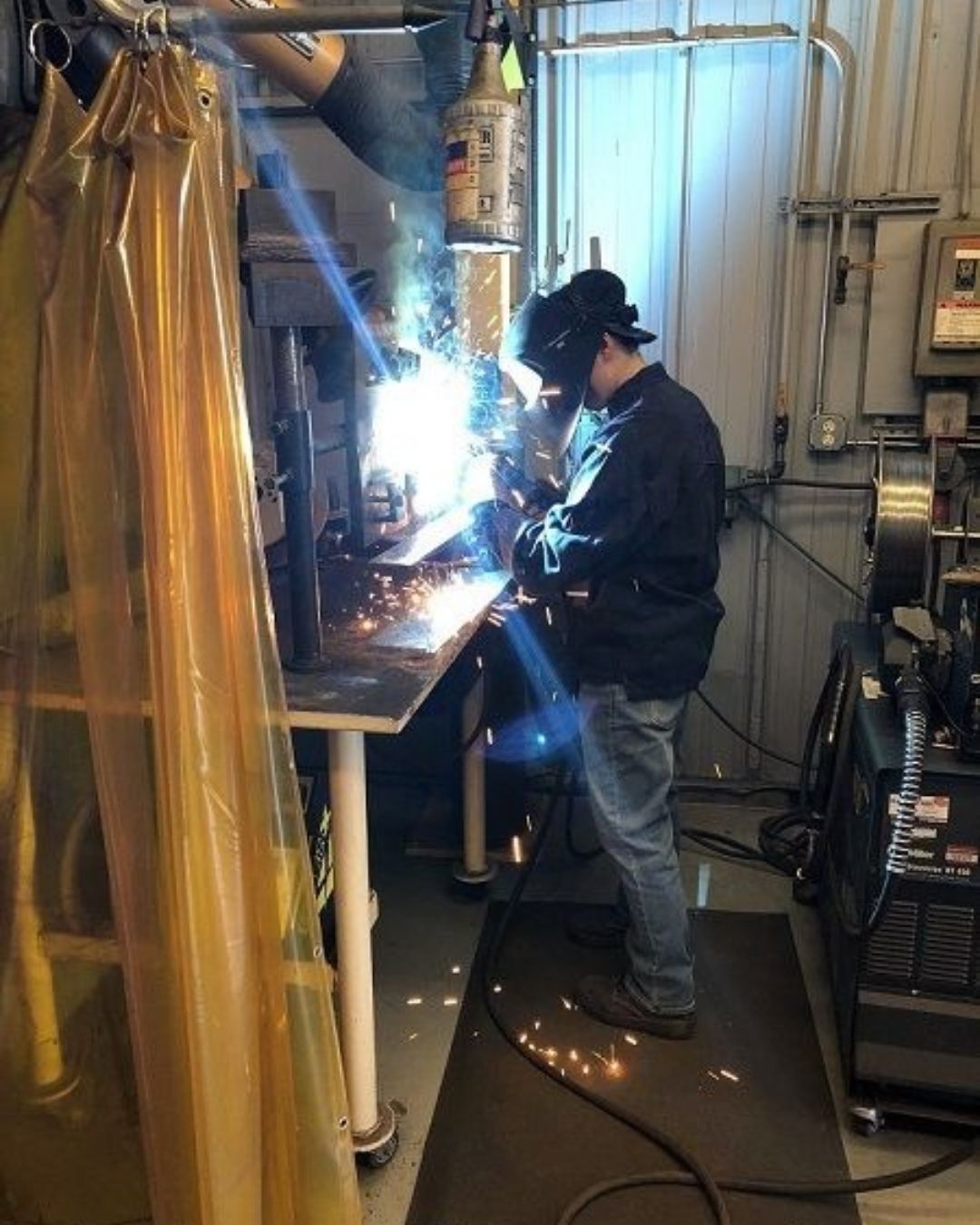



Shutdown and turnaround projects are among the most critical operations in Pakistan’s industrial sector. Whether in oil refineries, power plants, fertilizer factories, or large manufacturing units, these projects involve temporary plant shutdowns to perform maintenance, upgrades, or safety-critical repairs.
For contractors, shutdown projects offer high-value opportunities but also come with intense pressure. The biggest challenge small contractors face is meeting skilled labor demand within extremely tight timelines. Even minor delays can result in massive financial losses for plant owners, making manpower readiness a deciding factor in contractor success or failure.
This article explores why small contractors struggle during shutdown projects in Pakistan, the nature of the skilled labor gap, and how collaboration with technical training institutes can help bridge this divide.
What Is a Shutdown Project?
A shutdown project is a planned, temporary stoppage of an industrial plant to perform maintenance, inspection, repairs, or replacements. Production halts to safely access critical equipment. Skilled workers and strict planning ensure the project finishes on time and operations resume smoothly.
Key Points:
- Planned, temporary stoppage of a plant
- Maintenance, inspection, repair, or replacement work
- Production halted to access critical equipment
- Requires skilled technical workers
- Time-bound and carefully planned
What Is a Turnaround Project?
A turnaround project is a large-scale shutdown involving extensive maintenance, overhauls, system upgrades, and testing. Less frequent but more complex, it needs a larger skilled workforce, specialized tools, and strong coordination to prevent delays, cost overruns, and operational risks.
Key Points:
- Large-scale, comprehensive form of shutdown
- Extensive maintenance, overhauls, and system upgrades
- Requires more skilled workers and tools
- Complex planning and coordination essential
- Delays or skill gaps increase risk and cost
Why Shutdown Projects Are Different
Unlike routine construction, shutdown projects:
- Have fixed start and end dates
- Operate on 24/7 work cycles
- Require multiple trades simultaneously
- Allow zero tolerance for safety violations
- Cannot afford labor learning on the job
Every hour of delay can cost companies millions in lost production.
Why Timing Is Critical and Delays Are Costly
In shutdown projects, time is not just money it is contractual risk.
Delays can lead to:
- Heavy liquidated damages
- Loss of future contracts
- Increased safety incidents due to rushed work
- Reputational damage for contractors
Plant owners expect contractors to mobilize fully skilled manpower from day one. Any shortage or skill mismatch immediately disrupts the work sequence.
For small contractors, this expectation often becomes the biggest hurdle.
The Skilled Labor Gap in Shutdown Projects
Shortage of Certified Trades
Shutdown projects require workers who are already trained, tested, and certified. The most in-demand roles include:
- Certified welders (SMAW, GTAW, FCAW, 6G)
- Pipe fitters with isometric drawing skills
- Riggers and scaffolders with load-handling certification
- QA/QC inspectors
- Safety and permit coordinators
Pakistan faces a persistent shortage of trade-tested industrial workers, especially those familiar with refinery or plant environments.
Informal Skills vs. Industrial Standards
A major issue is the difference between:
- Informal experience (local workshops, small construction sites)
- Industrial shutdown standards (codes, procedures, safety systems)
Many workers have hands-on experience but lack:
- Certification
- Documentation knowledge
- Safety training
- Familiarity with permit-to-work systems
Shutdown environments demand compliance, not improvisation.
Why Small Contractors Fall Short
Small and mid-sized contractors often struggle not because of intent, but because of structural limitations.
1. Limited Trained Manpower Pool
Most small contractors rely on:
- Personal networks
- Daily wage labor
- Past project contacts
These pools are unreliable during shutdowns, when everyone is hiring at the same time. Skilled workers quickly get absorbed by larger EPC contractors offering better pay and longer contracts.
2. No Structured Recruitment or Training Pipeline
Large contractors maintain:
- Manpower databases
- Standby labor pools
- Ongoing skill development programs
Small contractors usually lack:
- Dedicated HR teams
- Trade testing facilities
- Pre-shutdown manpower planning
As a result, they start searching for labor after the shutdown is announced, when the market is already dry.
3. Compliance and Safety Skill Gaps
Shutdown projects require strict adherence to:
- Safety induction protocols
- Tool box talks
- Job safety analysis (JSA)
- Work permit systems
Many workers sourced informally are unfamiliar with these processes. This increases:
- Rejections at site entry
- Safety violations
- Work stoppages
Plant owners prefer to avoid these risks by rejecting contractors who cannot guarantee compliant manpower.
Why Employers Hire Disconnected or External Workforce
Urgency of Shutdown Timelines
When timelines are fixed and penalties are high, employers prioritize speed and certainty over loyalty.
They often:
- Hire manpower through third-party labor suppliers
- Mobilize workers from other cities or countries
- Use previously trained shutdown crews
This leads to contractors being sidelined even if they are technically capable.
Need for Ready-to-Work, Certified Labor
Employers want workers who:
- Pass skill tests immediately
- Understand refinery safety culture
- Can work independently without supervision
Training on-site is not an option during shutdowns. Every worker must be productive from the first shift.
The Role of Technical Training Institutes
How Training Schools Bridge the Gap
Technical training institutes play a crucial role in preparing shutdown-ready manpower. They provide:
- Trade-specific practical training
- Certification and skill testing
- Safety and compliance awareness
- Exposure to industrial work standards
Instead of hiring untested labor, contractors can source pre-trained workers aligned with shutdown requirements.
Fast-Track, Shutdown-Focused Skill Programs
Modern training institutes now offer:
- Short-duration, intensive trade programs
- Shutdown-specific welding and pipe fitting courses
- Safety and permit-to-work modules
- Mock trade testing environments
These programs are designed to:
- Upgrade semi-skilled workers
- Convert informal experience into certified skills
- Reduce site rejection rates
This approach benefits both contractors and employers.
Why Collaboration Matters
When contractors partner with training institutes:
- Manpower planning becomes proactive
- Skill gaps are addressed before shutdowns
- Safety compliance improves
- Project execution becomes smoother
Instead of competing for scarce labor, contractors build their own reliable workforce pipeline.
Conclusion: Contractors + Training Institutes = Project Success
Shutdown projects in Pakistan will continue to grow as industries modernize and expand. However, success in these projects depends less on equipment and more on people.
Small contractors struggle not because they lack capability, but because they lack structured access to skilled manpower.
The solution lies in collaboration:
- Contractors bring project opportunities
- Training institutes supply job-ready skills
Together, they create a workforce that meets industrial standards, respects safety, and delivers on time.
In shutdown projects, prepared manpower is not an advantage it is a requirement. Contractors who invest in skills today will be the ones winning projects tomorrow.