

In today’s rapidly evolving job market, simply having an academic degree is no longer enough to secure stable employment. Employers in Pakistan and around the world are increasingly seeking skilled, job-ready professionals who can confidently handle practical tasks from day one. This shift has made the vocational training institute an essential avenue for developing industry-relevant skills and boosting employability across multiple sectors in Pakistan.
Whether you are a student planning your future, a job seeker aiming to enhance your career prospects, or someone looking to gain new technical skills, understanding what is a vocational training institute and how it differs from traditional education is crucial.
This article provides a complete guide on vocational education, covering both government vocational training institutes and private centers, the courses they offer, and the wide range of career opportunities available for graduates.
What Is a Vocational Training Institute?
A common question many students ask is: what is vocational training institute education, and how is it different from college or university?
A vocational training institute is an educational organization that focuses on practical, skill-based training rather than theoretical learning. These institutes are designed to prepare students for specific trades, technical roles, or professions by providing hands-on experience, real-world tools, and industry-relevant knowledge.
Unlike traditional education systems that emphasize exams and theory, a vocational school prioritizes:
- Practical skills
- On-job readiness
- Industry-focused training
- Shorter learning duration
- Direct employability
In simple terms, vocational training teaches you how to do a job, not just how to talk about it.
Importance of Vocational Training in Pakistan
Pakistan faces a significant challenge: a large young population but limited employment opportunities. One of the main reasons is the skills gap many graduates lack practical skills required by employers.
This is where vocational training institutes play a crucial role.
Why vocational education matters in Pakistan:
- High unemployment among degree holders
- Rising demand for skilled labor locally and internationally
- Growing construction, industrial, and technical sectors
- Overseas job opportunities in Gulf and Europe
- Need for self-employment and entrepreneurship
A well-structured vocational school equips students with skills that are immediately usable, making them more employable and confident.
Government Vocational Training Institute vs Private Institutes
In Pakistan, vocational education is offered by both government vocational training institutes and private training centers. Each has its advantages and limitations.
Government Vocational Training Institute
A government vocational training institute is usually supported by provincial or federal authorities. These institutes often provide:
- Low-cost or free training
- Basic technical courses
- Recognized certifications
- Large student capacity
However, government institutes may face challenges such as:
- Limited modern equipment
- Outdated curriculum
- Large class sizes
- Less industry exposure
Private Vocational Training Institute
Private vocational institutes focus more on:
- Modern tools and labs
- Updated, industry-relevant courses
- Smaller class sizes
- Practical, hands-on training
- Faster skill development
Many students today prefer private institutes because they align more closely with market demand, especially for overseas employment and technical trades.
Vocational School: A Practical Alternative to Traditional Education
A vocational school is ideal for students who:
- Want to start earning early
- Are not interested in long academic degrees
- Prefer hands-on work
- Want technical or trade-based careers
- Plan to work abroad or start a small business
Vocational education is not a “second choice.” In many developed countries, skilled tradespeople earn equal or higher income than university graduates.
Courses Offered by a Modern Vocational Training Institute
A quality vocational training institute offers courses that match current industry needs. Below are some of the most in-demand vocational courses in Pakistan today:
QHSE (Quality, Health, Safety & Environment)
QHSE training prepares students for safety roles in construction, oil & gas, factories, and industrial projects. It is especially valuable for Gulf and international jobs.
Welding
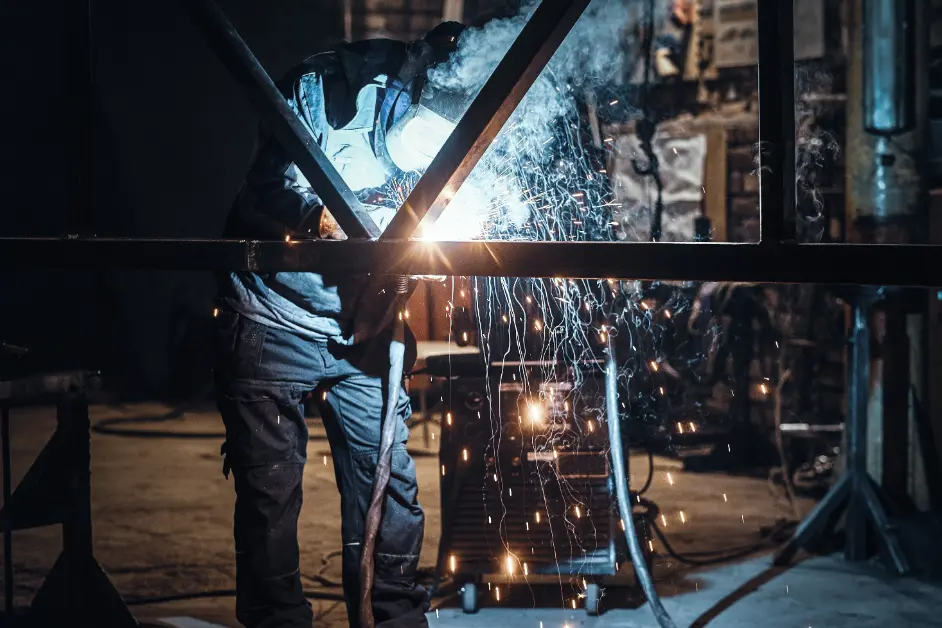
Welding is one of the most in-demand technical skills worldwide. Certified welders can work in construction, shipyards, pipelines, and heavy industries.
Fabrication
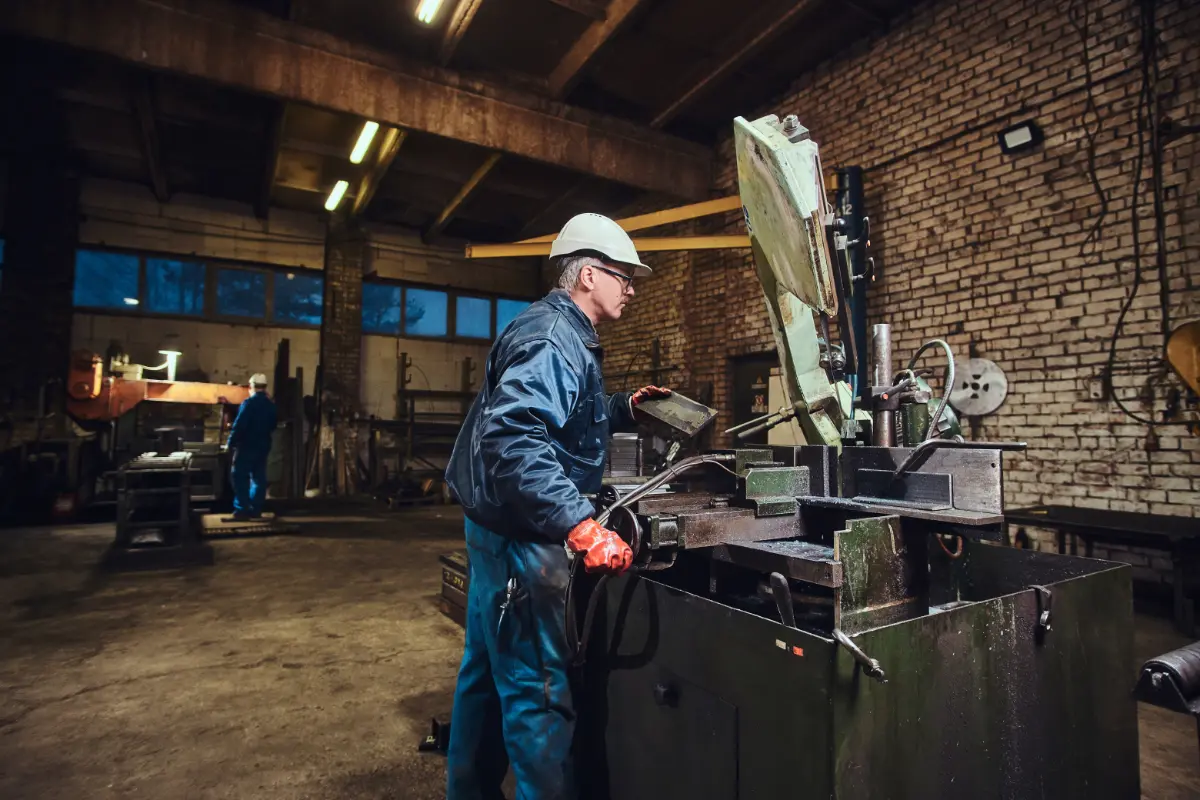
Fabrication involves metal cutting, shaping, and assembly. Skilled fabricators are essential in manufacturing and industrial sectors.
Electrical
Electrical training covers wiring, installations, maintenance, and troubleshooting for residential, commercial, and industrial systems.
Civil
Civil vocational courses focus on site supervision, construction basics, measurements, and practical civil work skills.
Plumbing
Plumbing is a high-demand trade both locally and internationally. Skilled plumbers are always required in construction and maintenance projects.
Millwright
Millwrights specialize in installing, maintaining, and repairing industrial machinery an advanced and well-paid technical skill.
Carpentry
Carpentry training teaches woodwork, furniture making, and construction finishing skills, suitable for both jobs and self-employment.
Digital Marketing
Digital marketing is a modern vocational skill that enables students to work online, freelance, or support business growth through SEO, social media, and online advertising.
CCTV Camera Installation
CCTV and security system installation is a fast-growing field due to rising demand for surveillance and safety solutions.
Benefits of Joining a Vocational Training Institute
Choosing a vocational training institute offers multiple advantages over traditional education paths:
1. Job-Ready Skills
Training is focused on real work environments, tools, and tasks.
2. Short Duration
Most vocational courses can be completed in months instead of years.
3. Affordable Education
Vocational training is generally more cost-effective than university degrees.
4. Practical Learning
Hands-on training builds confidence and competence.
5. Local and Overseas Opportunities
Vocational skills are globally transferable.
6. Self-Employment Potential
Many graduates start their own businesses or freelance services.
Career Opportunities After Vocational Training
Graduates of a vocational school can pursue multiple career paths:
- Employment in Pakistan (factories, construction, offices)
- Overseas jobs (Saudi Arabia, UAE, Qatar, Europe)
- Freelancing and remote work (digital skills)
- Small business or workshop setup
- Contract-based project work
This flexibility makes vocational education a smart long-term investment.
How to Choose the Right Vocational Training Institute
Not all institutes offer the same quality. Before enrolling, consider:
- Experienced instructors
- Updated curriculum
- Practical labs and equipment
- Certification and recognition
- Student support and guidance
- Transparent fee structure
- Industry relevance
A good vocational training institute focuses on skills that employers actually need not just certificates.
Future of Vocational Training in Pakistan
Pakistan’s future depends heavily on skilled human resources. Government initiatives, private sector involvement, and international demand are all driving growth in vocational education.
As industries evolve, vocational training institutes will play an even greater role in:
- Reducing unemployment
- Supporting economic growth
- Preparing youth for global markets
- Encouraging entrepreneurship
Your Future Starts With Skills
If you want to build a secure future with practical, job-ready skills, now is the right time to join a vocational training institute. Choose a training center that focuses on hands-on learning, industry-relevant courses, and real career outcomes and take the first step toward a skilled, successful career today.
Conclusion
If you are asking what is vocational training institute education and whether it is worth it, the answer is clear: yes, if you want skills that lead to real jobs.
A vocational school provides practical training, faster employment, and flexible career options especially in a country like Pakistan where skilled workers are in high demand.