

In today’s competitive job market, hiring based only on CVs and interviews is no longer enough especially in technical and trade-based industries. Whether it is welding, pipe fitting, structural fabrication, or millwright work, skill testing and trade verification have become essential steps before hiring.
For employers in Pakistan and the Gulf, wrong hiring decisions can lead to safety risks, project delays, financial losses, and reputational damage. For job seekers, proper skill verification increases trust, employability, and access to better-paying jobs.
Is liye, agar aap construction, oil & gas, ya industrial sector se related hain, skill testing ko ignore karna ab option nahi raha.
This article explains why skill testing matters, how trade verification works, and how both employers and workers benefit from it especially for overseas jobs.
What Is Skill Testing and Trade Verification?
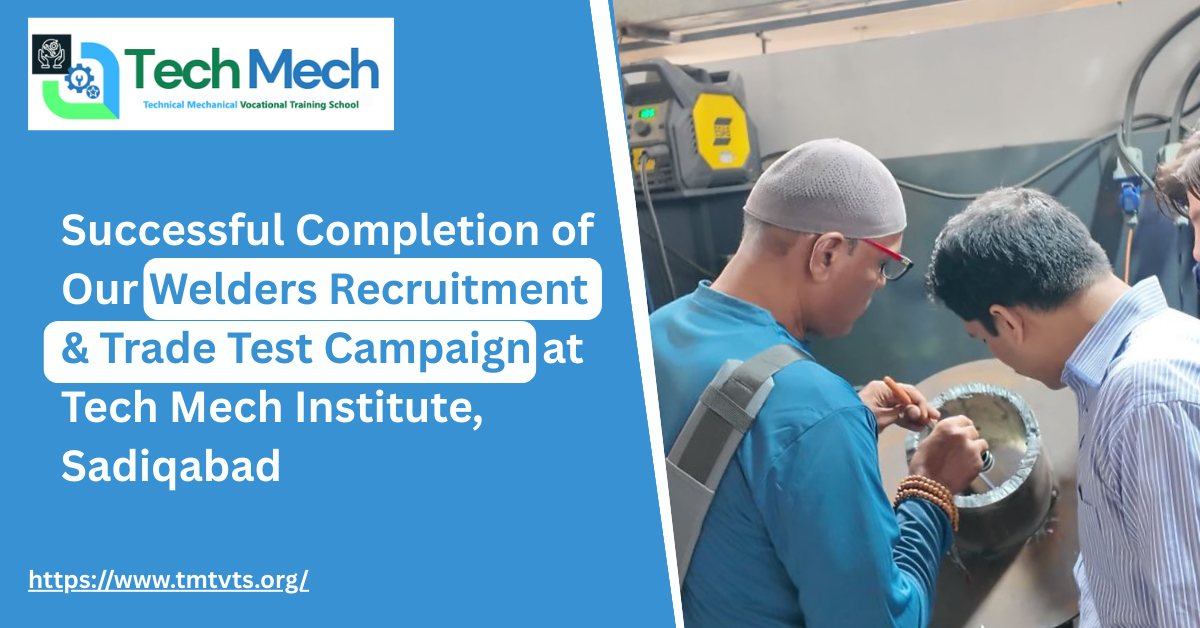
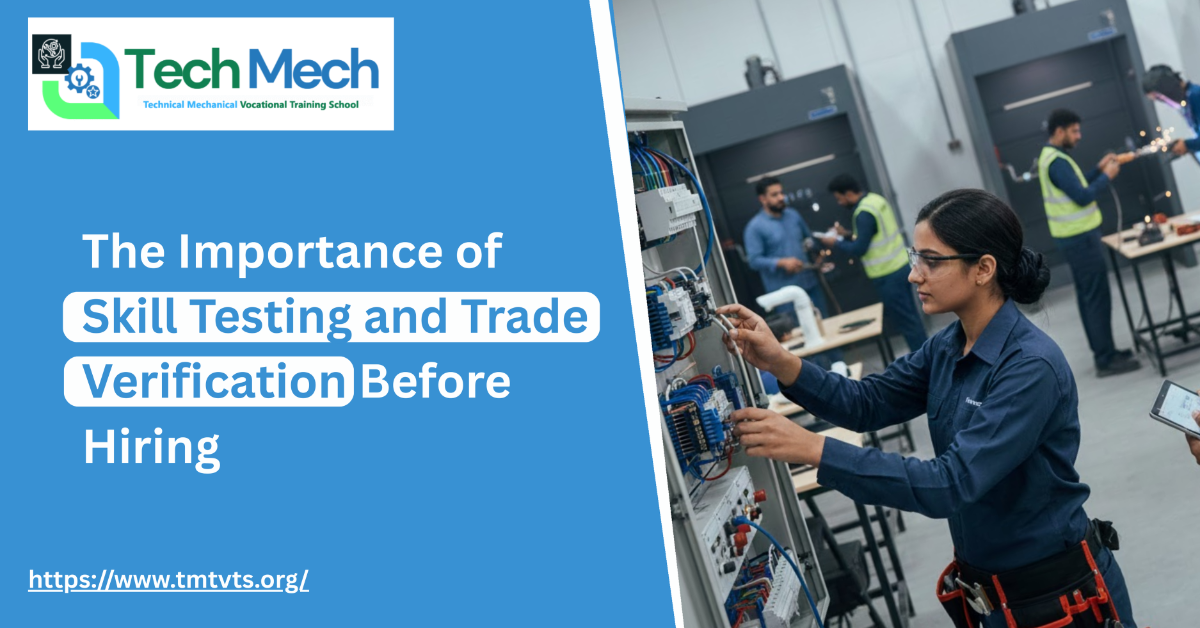
Skill testing is a practical assessment where a worker demonstrates their actual ability to perform a specific trade. Trade verification confirms whether the worker truly possesses the skills claimed on paper.
Examples of Skill Testing
- Welding test (SMAW, GTAW, FCAW)
- Pipe fitting alignment and measurement test
- Structural fabrication blueprint reading test
- Grinder or millwright machinery handling test
Trade Verification Includes
- Practical trade test
- Basic theory knowledge
- Safety awareness
- Tool handling and job-site discipline
Simple words mein: Degree ya experience likhna kaafi nahi hota kaam karke dikhana parta hai.
Why CV-Based Hiring Fails in Trade Jobs
Many employers rely on resumes and verbal interviews. Unfortunately, this approach often fails in technical hiring.
Common Problems Without Skill Testing
- Fake experience certificates
- Workers unable to perform on-site
- Increased rework and accidents
- Project delays and penalties
- Higher worker replacement costs
Industry Reality: A welder may claim 8 years of experience, but without testing, there is no guarantee they can produce X-ray quality welds.
This is why Gulf employers increasingly demand trade-tested and verified workers from Pakistan.
Importance of Skill Testing for Employers
1. Ensures Job-Site Safety
Unskilled or under-skilled workers increase the risk of accidents, especially in welding, pipe fitting, and structural fabrication.
Skill testing helps ensure that workers:
- Follow safety procedures
- Use tools correctly
- Understand job hazards
In industries like oil & gas, one mistake can shut down an entire project.
2. Improves Work Quality and Productivity
A trade-tested worker:
- Works faster
- Makes fewer errors
- Requires less supervision
This directly improves project timelines and reduces costs.
Example: A tested FCAW welder can complete structural joints faster than an untested worker who needs repeated corrections.
3. Reduces Hiring Risks
Hiring the wrong worker leads to:
- Replacement costs
- Visa and mobilization losses
- Training expenses
Skill testing minimizes these risks before deployment especially for overseas hiring.
Why Skill Testing Matters for Job Seekers
Skill testing is not only beneficial for employers it is a career booster for workers.
1. Higher Job Acceptance Rate
Trade-tested candidates are preferred by:
- Gulf contractors
- EPC companies
- Large construction firms
Many recruiters shortlist only verified tradesmen.
2. Better Salary Packages
Certified and tested workers often receive:
- Higher wages
- Faster promotions
- Long-term contracts
Example: A GTAW-certified pipe welder earns more than a general welder with no verification.
3. Confidence at the Workplace
When you know your skills are tested:
- You work confidently
- Supervisors trust you
- Career growth becomes easier
Skill testing proves: “Main kaam jaanta hoon.”
Key Trades That Require Skill Testing
Welding Trades
- SMAW (Stick Welding)
- GTAW (TIG Welding)
- FCAW (Flux-Cored Welding)
Tests include:
- Welding position (1G–6G)
- Bead quality
- Defect control
Pipe Fitting
Pipe fitters are tested on:
- Pipe alignment
- Measurement accuracy
- Isometric drawing understanding
- Joint preparation
This is critical for oil, gas, and water pipeline projects.
Structural Fabrication
Structural fabricators must demonstrate:
- Blueprint reading
- Steel cutting and assembly
- Proper welding sequences
Without testing, structural failures can occur.
Grinder and Millwright Trades
Skill tests evaluate:
- Tool handling
- Machinery installation
- Maintenance procedures
- Safety compliance
These roles are vital in industrial plants and power projects.
Skill Testing for Gulf Jobs: A Growing Requirement
Gulf employers are now stricter due to:
- International safety standards
- Large-scale mega projects
- Tight deadlines
Countries like UAE, Saudi Arabia, and Qatar often demand:
- Pre-deployment trade tests
- Video-based skill evaluation
- Certified training institute verification
This makes training from Pakistan’s best training institutes center extremely important.
How Training Institutes Play a Key Role
Not all institutes provide real skill testing. A good institute offers:
- Practical workshops
- Real job simulations
- Independent trade tests
- Employer-ready certification
Institutes offering CIVIL courses IN Pakistan jobs must align training with market needs, not just theory.
Actionable Tips for Employers and Job Seekers
For Employers
- Never hire without a trade test
- Use standardized skill evaluation
- Partner with verified training institutes
- Test both theory and practical skills
For Job Seekers
- Choose institutes with real workshops
- Get trade-tested before job interviews
- Learn safety standards
- Keep upgrading your skills
Frequently Asked Questions (FAQs)
Q1: What is trade verification in technical hiring?
Trade verification is the process of confirming a worker’s actual skills through practical testing and evaluation.
Q2: Is skill testing mandatory for Gulf jobs?
While not always mandatory, most Gulf employers strongly prefer trade-tested candidates.
Q3: Can fresh students appear for skill tests?
Yes. Many institutes offer skill testing after completing practical training.
Q4: Which trades require skill testing the most?
Welding, pipe fitting, structural fabrication, millwright, and grinder trades.
Q5: Where can I get reliable skill testing in Pakistan?
Recognized vocational institutes like Tech Mech provide practical skill testing aligned with industry needs.
Train, Test, and Get Hired with Tech Mech
Tech Mech Technical Vocational Training School offers professional skill testing and trade verification for:
- Welders (SMAW, GTAW, FCAW)
- Pipe Fitters
- Structural Fabricators
- Grinders
- Millwrights
We help students and job seekers become job-ready and connect them with recruitment solutions for Pakistan and Gulf markets.
Contact us today and secure your future with verified skills not just certificates.
Final Summary
Skill testing and trade verification are no longer optional they are essential. For employers, they reduce risk and improve productivity. For job seekers, they unlock better jobs, higher salaries, and overseas opportunities.
Choosing the right training school that focuses on practical testing and real skills can define your entire career. Invest in skill verification today to build a stronger, safer, and more successful future.