
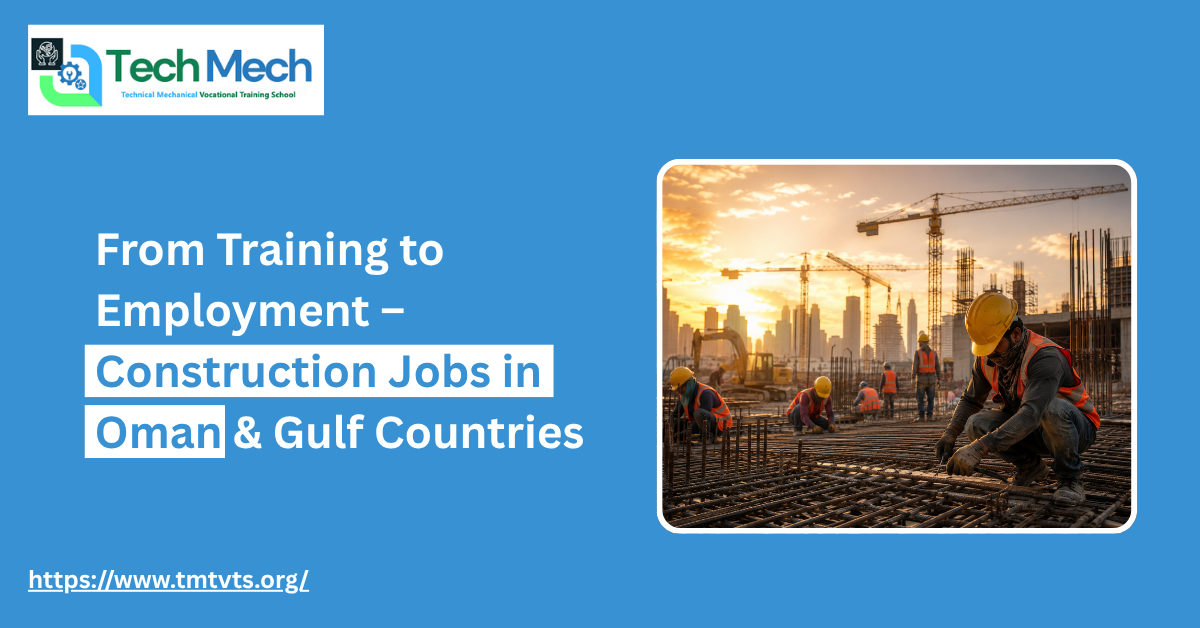

The Gulf construction industry has changed significantly over the past decade. While countries like Oman, Saudi Arabia, the UAE, and Qatar continue to invest in infrastructure, industrial facilities, housing developments, logistics centers, power plants, and oil & gas projects, employers are becoming more selective about the workers they hire.
Today, getting hired is no longer just about having ten or fifteen years of experience. Companies want workers who can adapt to modern construction methods, understand safety procedures, use contemporary tools, and perform efficiently under international standards. This shift has created a growing need for skill development and trade upgrading.
For workers who want to secure Construction Jobs in Oman and other Gulf countries, professional training has become one of the most important steps toward employment. Whether you are a mason, shuttering carpenter, steel fixer, welder, rigger, or scaffolder, upgrading your skills can significantly improve your chances of passing interviews, succeeding in trade tests, and earning better salaries abroad.
Why Gulf Construction Companies Are Changing Their Hiring Standards?
Many experienced workers believe that years of work alone are enough to secure an overseas job. While experience remains valuable, construction companies now focus on more than just time spent on a project. Modern projects require higher productivity, improved safety standards, and familiarity with advanced equipment.
A worker who has been doing the same task for fifteen years using traditional methods may struggle when faced with modern systems used on large Gulf projects. Employers want people who can work efficiently with updated tools, follow safety procedures, interpret drawings, and meet strict quality requirements.
This is especially true on major infrastructure and industrial projects where delays and mistakes can cost companies significant amounts of money. As a result, companies increasingly prefer workers who combine experience with modern training.
Understanding the Current Construction Market in Oman
Oman remains an important destination for skilled construction workers. While labor market regulations and recruitment policies may change over time, large contractors, industrial projects, and approved organizations continue to recruit skilled manpower based on project requirements.
Major sectors that regularly require skilled workers include:
- Building construction
- Infrastructure development
- Industrial facilities
- Oil and gas projects
- Power generation plants
- Manufacturing facilities
- Logistics and warehousing projects
Large contractors often receive project-specific approvals that allow them to recruit qualified workers when manpower shortages arise. This is why skilled candidates who pass trade tests continue to find opportunities despite changing market conditions.
Experience Alone Is No Longer Enough
One of the biggest mistakes many workers make is assuming that long experience automatically guarantees overseas employment. In reality, employers now evaluate several factors during recruitment.
For example, a shuttering carpenter with ten years of experience may still fail a trade test if he has never worked with modern aluminum formwork systems. Similarly, a steel fixer who cannot interpret reinforcement drawings may struggle during an interview.
Companies increasingly evaluate:
- Technical knowledge
- Practical skills
- Safety awareness
- Productivity
- Communication ability
- Adaptability to modern methods
This is why skill upgrading has become essential for workers seeking construction jobs in Oman and other Gulf countries.
Modern Construction Equipment Is Changing the Industry
Construction projects today use equipment and systems that were uncommon a decade ago. Workers who understand these technologies often have a significant advantage during recruitment.
Modern projects may involve:
- Laser levels
- Digital measuring equipment
- Rebar bending machines
- Rebar cutting machines
- Hydraulic lifting equipment
- Power tools
- Concrete finishing machines
- Aluminum formwork systems
- Mobile elevated work platforms
Workers are not always expected to operate every machine independently, but understanding their purpose and safe usage can make a strong impression during interviews and trade tests.
Mason Jobs in Oman and the Gulf
Masonry remains one of the most important construction trades. However, the expectations placed on masons have increased.
Modern masons are expected to understand:
- Block laying
- Brickwork
- Plastering
- Tile preparation
- Surface leveling
- Material estimation
- Quality standards
Employers value workers who can maintain productivity without compromising quality. On many projects, speed alone is not enough. Precision and consistency are equally important.
Experienced masons who upgrade their skills often improve their chances of securing better positions and salary packages.
Shuttering Carpenter Opportunities
Shuttering carpenters remain highly sought after throughout the Gulf construction sector. However, the role has evolved significantly.
Traditional timber formwork is still used on some projects, but many large developments now rely on advanced systems such as:
- Aluminum formwork
- Modular formwork
- Doka systems
- Peri systems
Workers who understand these systems are often preferred because they require less training after hiring.
At TMTVTS, workers can learn modern formwork concepts and gain exposure to techniques commonly used on international projects.
Steel Fixer Demand Continues to Grow
Steel fixers play a critical role in structural construction. Their work directly impacts the strength and durability of buildings and infrastructure.
Today’s employers expect steel fixers to understand:
- Reinforcement drawings
- Bar bending schedules
- Rebar placement
- Structural requirements
- Safety procedures
Workers who can read basic construction drawings often stand out during recruitment processes.
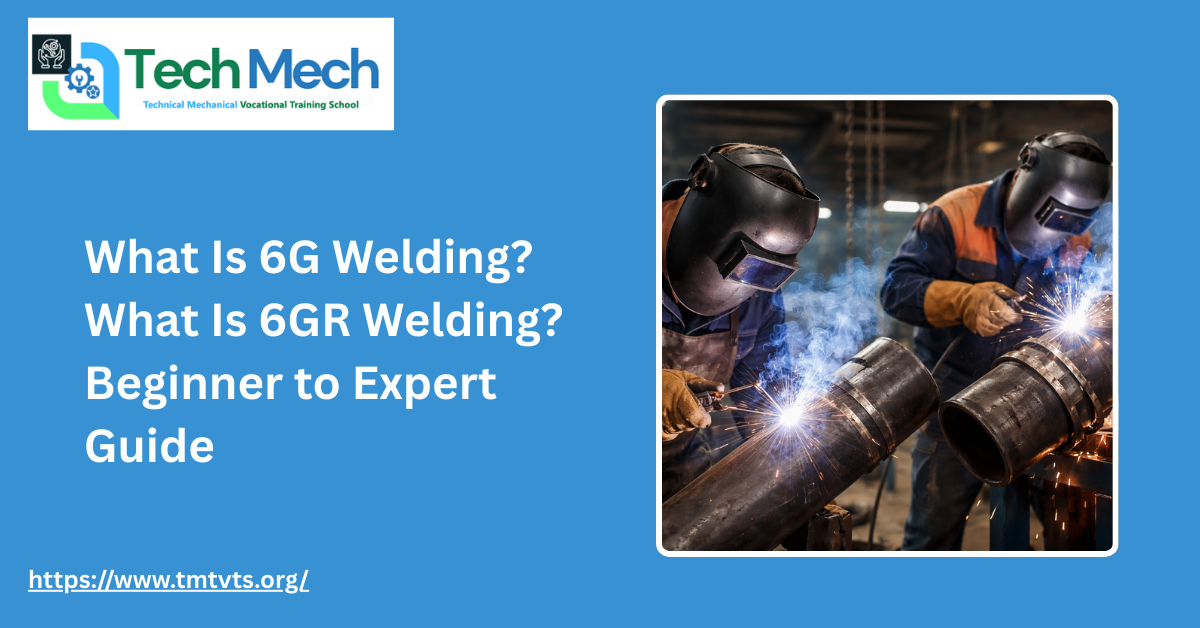
Welding and Fabrication Opportunities
Construction projects frequently require skilled welders for structural and industrial applications.
Employers may recruit:
- MIG welders
- ARC welders
- TIG welders
- Structural welders
- Fabrication workers
Because welding quality directly affects project safety, many companies conduct strict practical trade tests before hiring.
Workers who receive updated training generally perform better during these assessments.
Rigger and Scaffolder Positions
Industrial and infrastructure projects depend heavily on safe lifting operations and access systems.
Riggers are responsible for:
- Lifting preparation
- Load handling
- Communication with crane operators
- Safety compliance
Scaffolders are responsible for:
- Scaffold erection
- Inspection
- Modification
- Dismantling
Both trades require strong safety awareness, making professional training extremely valuable.
What Employers Look for During Trade Tests?
Many workers become nervous when they hear the term “trade test.” However, most employers simply want proof that candidates can perform their jobs correctly.
During recruitment, employers may evaluate:
- Tool handling
- Accuracy
- Work quality
- Safety awareness
- Problem-solving ability
- Productivity
Candidates who have recently upgraded their skills often perform more confidently because they are familiar with modern industry expectations.
How Overseas Recruitment Usually Works?
Many Gulf employers recruit through manpower agencies and project-specific hiring campaigns.
The process often includes:
- CV screening
- Document verification
- Trade testing
- Technical interviews
- Medical examination
- Visa processing
In many cases, company representatives or delegations travel to Pakistan to conduct interviews and practical assessments directly.
This allows employers to select workers based on actual skills rather than relying solely on resumes.
Construction Salaries in Oman
Salary packages vary depending on experience, project type, skill level, and interview performance.
Typical monthly salary ranges may include:
- Mason: OMR 140–250
- Shuttering Carpenter: OMR 160–300
- Steel Fixer: OMR 160–300
- Welder: OMR 180–450
- Rigger: OMR 180–400
- Scaffolder: OMR 150–300
- Foreman: OMR 300–600
- Supervisor: OMR 350–800+
Some projects also provide:
- Accommodation
- Transportation
- Medical coverage
- Overtime opportunities
Workers with stronger technical skills often qualify for higher salary offers during recruitment.
Why Skill Upgrading Matters More Than Ever?
The construction industry is becoming increasingly competitive. Thousands of workers apply for overseas positions every year, but only those who meet current industry requirements stand out.
Skill upgrading helps workers:
- Improve confidence
- Prepare for interviews
- Pass trade tests
- Learn modern methods
- Increase earning potential
- Adapt to international standards
This is particularly important for experienced workers who learned their trade years ago and have not received formal refresher training.
Training Options at TMTVTS
Recognizing the changing needs of the industry, TMTVTS offers training options designed for different types of workers.
7-Day Skill Assessment Program
This option is suitable for highly experienced workers who want to evaluate their skills, identify gaps, and prepare for interviews or trade tests.
15-Day Skill Upgrade Program
This program is ideal for workers who already have experience but need exposure to updated methods, equipment, and industry practices.
3-Month Comprehensive Training Program
The most detailed option is the three-month training program. It is designed for beginners as well as workers seeking a complete upgrade of their technical skills.
Training focuses on:
- Practical work
- Industry standards
- Safety awareness
- Modern construction methods
- Tool handling
- Trade testing preparation
The objective is not simply to issue certificates but to help workers become more competitive in local and overseas job markets.
Building Experience in Pakistan Before Going Overseas
One of the smartest strategies for workers is to gain practical experience locally before applying abroad.
Projects in Pakistan provide valuable exposure to:
- Construction operations
- Industrial maintenance
- Shutdown activities
- Turnaround projects
- Safety procedures
- Team coordination
Workers who gain experience in these environments often adapt more easily when they move to international projects.
The Future of Construction Jobs in Oman and the Gulf
The Gulf region continues to invest heavily in infrastructure, industrial facilities, energy projects, tourism developments, logistics hubs, and residential communities.
As projects become more advanced, employers will continue prioritizing workers who possess both practical experience and updated technical skills.
This means that training will become increasingly important for anyone seeking long-term success in the construction industry.
Workers who invest in learning modern systems, understanding safety requirements, and improving their technical abilities are likely to have stronger career prospects than those who rely solely on past experience.
From Worker to Skilled Professional
The difference between a worker who struggles to find opportunities and one who secures consistent employment often comes down to preparation.
Experience remains important, but today’s construction industry rewards workers who continuously improve their skills. Modern equipment, international safety standards, and changing project requirements mean that learning never truly stops.
For those pursuing Construction Jobs in Oman and across the Gulf region, upgrading skills is no longer optional—it is becoming an essential part of career growth. Whether you are a mason, shuttering carpenter, steel fixer, welder, rigger, or scaffolder, investing time in professional training can help open doors to better jobs, stronger salaries, and long-term opportunities.
Apply Now – TMTVTS
Are you ready to upgrade your skills and prepare for modern construction jobs in Oman and Gulf countries?
Whether you have years of experience or are just starting your technical career, TMTVTS offers practical training programs designed to help workers meet today’s industry requirements and perform confidently during trade tests and interviews.
Apply Now at TMTVTS and take the next step toward a skilled construction career.
People Also Ask About Construction Jobs in Oman & Gulf Countries
What is the salary of construction workers in Oman?
Construction workers in Oman typically earn between OMR 180 and OMR 500+ per month, depending on their trade, experience, project type, and employer benefits such as accommodation and transportation.
Which job is in high demand in Oman?
Engineering, healthcare, IT, and construction jobs remain among the most demanded sectors. Skilled trades such as welders, shuttering carpenters, steel fixers, electricians, and riggers are regularly required on major projects.
What construction job is most in demand?
Shuttering carpenters, steel fixers, welders, electricians, scaffolders, and heavy equipment operators are among the most sought-after construction trades across Gulf countries.
Which country is best for construction jobs?
Saudi Arabia, UAE, Qatar, Oman, and Kuwait are popular destinations because of their ongoing infrastructure, industrial, and energy projects that require skilled workers.
How much can a skilled welder earn in Oman?
Depending on certification and experience, welders can earn approximately OMR 250 to OMR 600+ per month, with overtime often increasing total earnings.
What salary does a shuttering carpenter earn in Oman?
A shuttering carpenter may earn between OMR 120 and OMR 250+ per month, depending on skill level and project requirements.
What is the salary of a steel fixer in Oman?
Steel fixers commonly earn between OMR 180 and OMR 320+ per month, with experienced workers often receiving higher offers.
How much can a rigger earn in Oman?
Certified and experienced riggers can earn approximately OMR 200 to OMR 450+ per month, particularly on industrial and oil & gas projects.
Why do workers fail trade tests?
Common reasons include outdated skills, poor tool handling, lack of drawing knowledge, weak safety awareness, and insufficient preparation before interviews.
Can experienced workers still benefit from training?
Yes. Many experienced workers attend short upgrading programs to learn modern techniques, equipment, and current Gulf industry standards.
Are construction jobs available only in Muscat?
No. Construction opportunities exist throughout Oman, including industrial zones, infrastructure projects, ports, manufacturing facilities, and energy developments.
What benefits do Gulf companies usually provide?
Many employers provide accommodation, transportation, medical insurance, overtime opportunities, annual leave, and return air tickets according to contract terms.
What is a trade test?
A trade test is a practical assessment conducted by employers to verify a worker’s technical skills before recruitment.
Do companies conduct interviews in Pakistan?
Yes. Many Gulf employers send recruitment delegations to Pakistan to conduct interviews and trade tests before selecting workers.
What is the advantage of a 3-month technical training program?
A 3-month program provides deeper practical exposure, stronger technical understanding, and better preparation for trade tests and overseas employment.
Is a 15-day skill upgrade course useful?
Yes. Workers who already have experience can use short upgrading courses to refresh their knowledge and learn modern industry practices.
What is the role of a shuttering carpenter?
A shuttering carpenter builds and installs formwork structures used to hold concrete in place until it gains sufficient strength.
What does a steel fixer do?
A steel fixer cuts, bends, and installs reinforcement bars according to engineering drawings before concrete placement.
Does TMTVTS offer skill upgrading programs?
Yes. TMTVTS provides practical technical training, skill upgrading programs, and trade test preparation for workers seeking local and overseas employment opportunities.
Can Pakistani construction workers build successful careers in the Gulf?
Absolutely. Thousands of Pakistani workers have built long-term careers in Oman, Saudi Arabia, UAE, Qatar, and other Gulf countries through skills, experience, and continuous professional development.