

Tech-Mech offers practical technical training designed to help workers develop the skills needed for international employment opportunities. For individuals planning careers in Saudi Arabia, Oman, Bahrain, and other GCC countries, choosing the right short welding courses can provide a focused pathway to developing practical welding abilities. Through overseas welding training, workers can improve their technical skills, prepare for certification, and become more competitive in the international job market.
Why Choose Short Welding Courses?
Not everyone can commit to a long-term technical program. Short welding courses provide concentrated training that focuses on essential practical skills within a shorter period.
These courses can be useful for:
- Beginners entering the welding profession
- Experienced workers upgrading their skills
- Job seekers preparing for overseas employment
- Workers interested in GCC opportunities
- Professionals adding welding skills to their existing qualifications
The right course can help learners develop practical knowledge while saving both time and resources.
What Do Short Welding Courses Teach?
The content of short welding courses varies depending on the training provider and program level. However, practical programs may introduce students to several common welding processes.
These can include:
- Shielded Metal Arc Welding (SMAW)
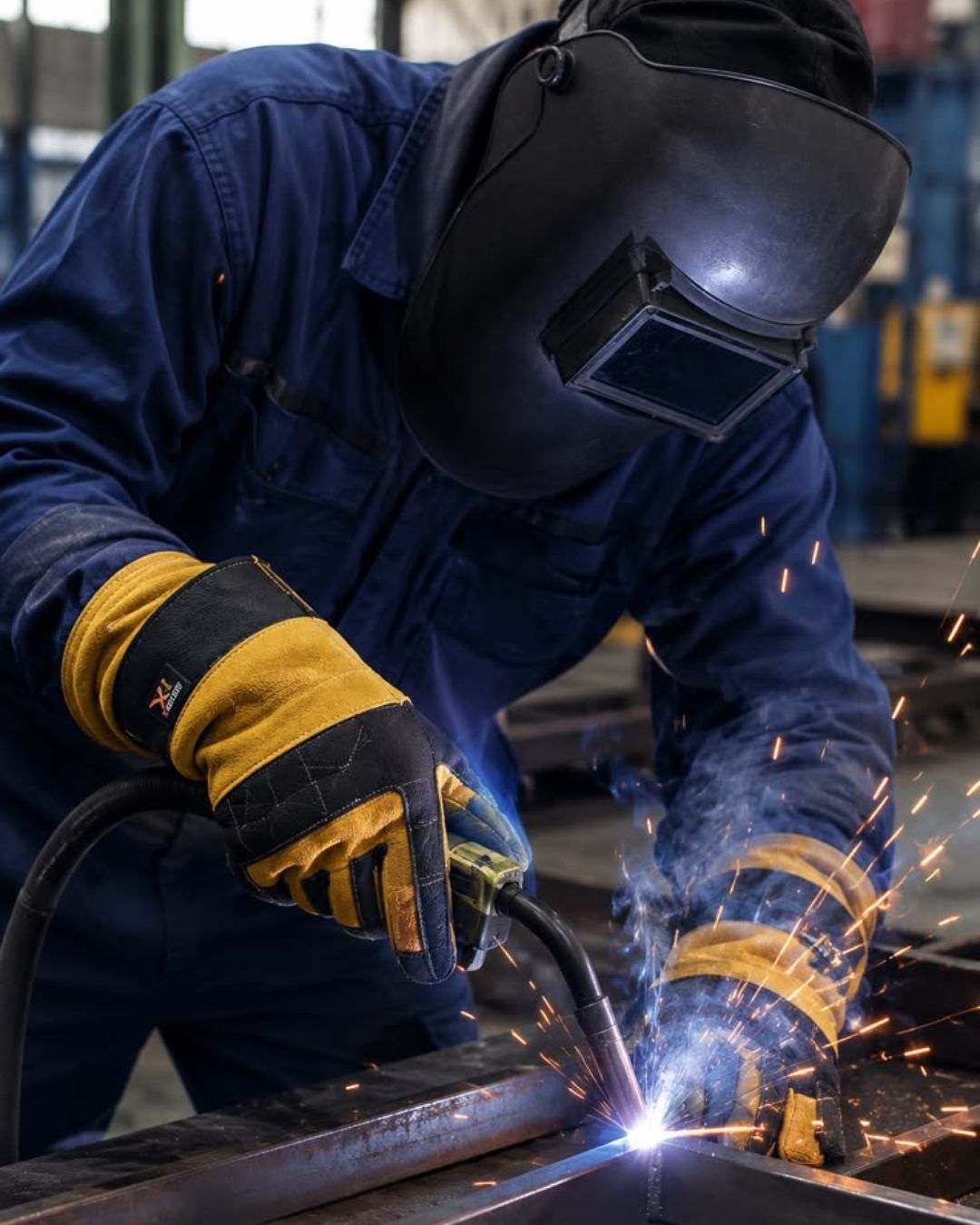
- MIG/GMAW welding
- TIG/GTAW welding
- Basic pipe welding
- Structural welding
- Welding equipment operation
- Metal preparation
- Welding safety
Learning different techniques can help workers adapt to various industrial environments and employer requirements.
Importance of Overseas Welding Training
Overseas welding training focuses on developing skills that are relevant to international employment environments. Workers planning to apply for GCC jobs should understand that employers may look at technical competence, practical experience, certification, and safety awareness when evaluating candidates.
A quality training program can help workers develop:
- Welding accuracy
- Equipment handling skills
- Technical understanding
- Workplace safety awareness
- Basic fabrication knowledge
- Quality inspection awareness
These skills can provide a stronger foundation for international employment.
Welding Certification and Career Opportunities
Completing welding certification can strengthen a worker’s professional profile. Certification requirements vary depending on the employer, project, welding process, and destination country, so candidates should always verify the requirements for their intended position.
Certification can demonstrate that a worker has been assessed according to specific technical requirements. Combined with practical experience, it can help candidates stand out during recruitment.
Workers interested in GCC employment may find opportunities in:
- Construction
- Oil and gas
- Manufacturing
- Shipbuilding
- Infrastructure
- Heavy engineering
- Industrial maintenance
- Metal fabrication
Fabrication Training for Welders
Welding and fabrication are closely connected skills in many industrial workplaces. Fabrication training can teach workers how to cut, shape, fit, and assemble metal components before welding.
Basic fabrication skills may include:
- Measuring materials
- Cutting metal
- Grinding and finishing
- Pipe and structural fitting
- Reading basic drawings
- Preparing joints for welding
A worker who understands both welding and fabrication can be more versatile and potentially useful to employers.
Opportunities for Skilled Workers in GCC Countries
Saudi Arabia, Oman, Bahrain, and other GCC countries have significant construction, infrastructure, manufacturing, energy, and industrial sectors. These industries require technical workers with practical skills and relevant experience.
For skilled workers, having appropriate technical training can be an important part of preparing for international employment.
However, job availability and qualification requirements vary by country and employer. Candidates should carefully review the requirements of each vacancy before applying.
How GCC Recruitment Works
GCC recruitment involves identifying candidates who meet an employer’s technical, professional, and documentation requirements. For welding positions, recruiters and employers may evaluate:
- Welding qualifications
- Practical experience
- Certification
- Technical skills
- Safety knowledge
- Previous industrial experience
- Medical and employment documentation where applicable
Being properly trained and prepared can make the recruitment process more straightforward.
Choosing the Right Short Welding Course
Before enrolling in a welding program, consider several important factors.
Practical Training
Choose a program that provides sufficient hands-on practice rather than focusing only on theory.
Experienced Instructors
Qualified instructors can help students develop correct welding techniques and identify common mistakes.
Safety Education
Welding safety should be an important part of every professional training program.
Certification Preparation
If your goal is overseas employment, consider whether the course prepares students for relevant certification or assessment requirements.
Industry Relevance
Training should reflect the techniques and skills commonly required in the type of job you want to pursue.
Why Tech-Mech?
Tech-Mech focuses on technical workforce development and practical training for individuals interested in building careers in skilled trades. Its training approach can help students develop relevant welding and fabrication skills while preparing them for professional opportunities.
For workers targeting GCC markets, combining technical training with practical experience, appropriate certification, and professional preparation can create a stronger employment profile.
Preparing for an International Welding Career
Training is only one part of preparing for an overseas career. Workers should also focus on building practical experience, maintaining proper documentation, improving workplace communication, and understanding the requirements of their target country.
A strong candidate may have:
- Relevant welding training
- Practical workshop experience
- Appropriate certification
- Fabrication knowledge
- Safety awareness
- A professional CV
- Verified employment experience
This combination can improve overall employability.
Short welding courses can provide a practical and focused way for workers to develop essential welding skills for international careers. With appropriate overseas welding training, certification, fabrication knowledge, and practical experience, candidates can become better prepared for employment opportunities across Saudi Arabia, Oman, Bahrain, and other GCC countries.
For individuals planning a career abroad, Tech-Mech provides technical training focused on developing practical skills relevant to modern industrial workplaces. Choosing the right training program and combining it with certification and experience can help skilled workers build a stronger foundation for long-term international employment.