

Tech-Mech provides industry-focused welding training classes that help workers develop the technical knowledge and safety awareness required for professional welding careers. In GCC countries, where construction, oil and gas, manufacturing, and infrastructure projects involve demanding industrial environments, proper welding safety is essential. Employers who invest in trained and safety-conscious workers can reduce workplace risks, improve productivity, and maintain higher project quality.
What Is Welding Safety Training?
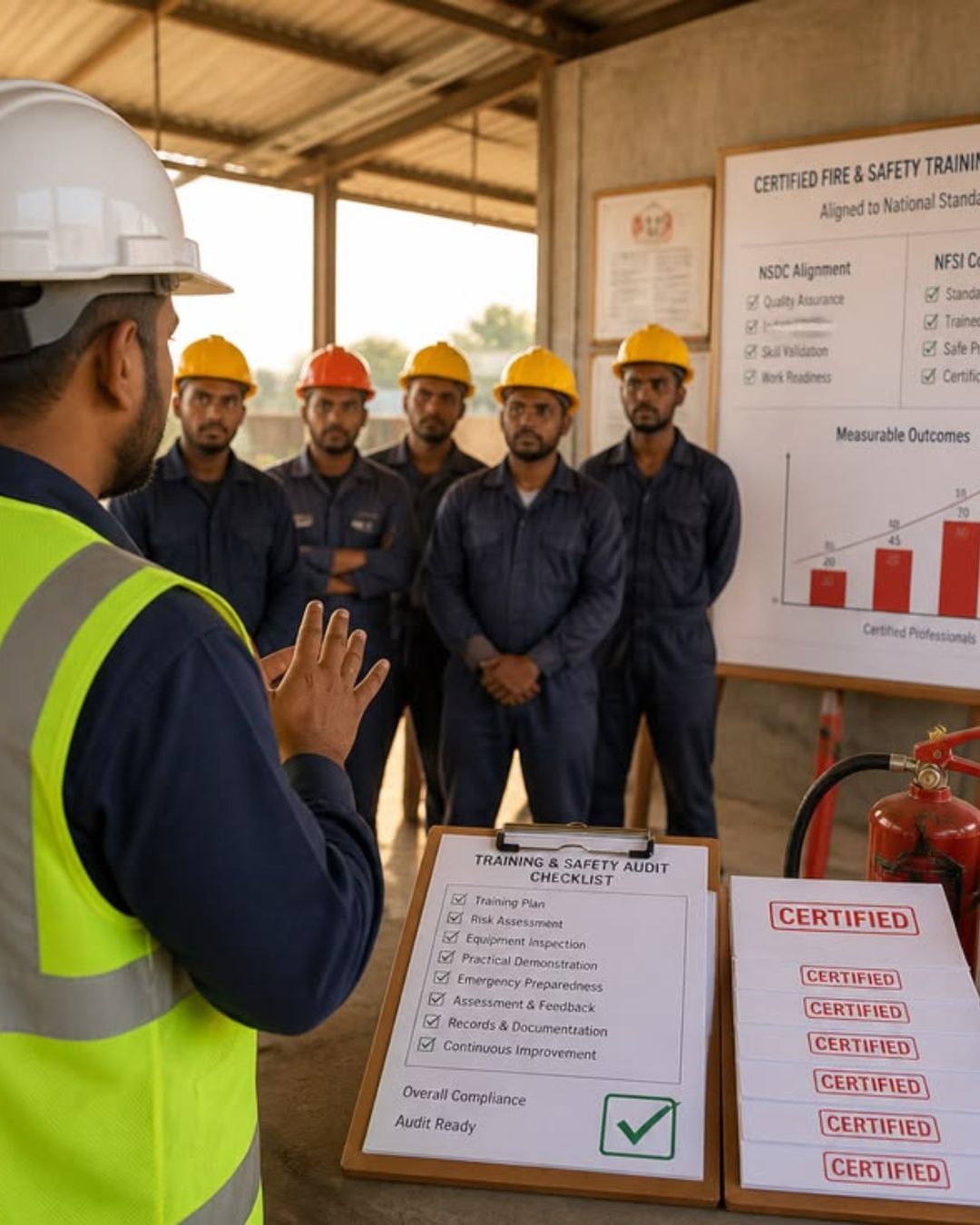
Welding safety training teaches workers how to operate welding equipment correctly while identifying and controlling workplace hazards. Welding involves high temperatures, sparks, fumes, electricity, pressurized gases, and heavy materials, making proper training essential.
A professional safety program commonly covers:
- Personal protective equipment (PPE)
- Safe welding equipment operation
- Fire prevention
- Gas cylinder handling
- Electrical safety
- Proper ventilation
- Hazard identification
- Emergency procedures
Understanding these practices helps workers perform their responsibilities more safely and efficiently.
Why Welding Safety Matters in GCC Industries
GCC countries are home to major construction, infrastructure, manufacturing, petrochemical, and energy projects. Welders frequently work in challenging environments where a small mistake can lead to injuries, equipment damage, project delays, or financial losses.
Strong welding safety practices help employers:
- Reduce workplace accidents
- Protect employees and equipment
- Minimize project delays
- Improve productivity
- Maintain quality standards
- Create a safer working environment
For companies handling large industrial projects, safety training should be considered an essential part of workforce preparation.
Importance of Welding Training Classes
Professional welding training classes combine practical welding skills with workplace safety knowledge. Workers learn how to use welding machines, select appropriate protective equipment, prepare materials, and follow safe working procedures.
Practical training is particularly valuable because welders can develop correct working habits before entering demanding industrial environments.
Training may include:
- Welding process fundamentals
- Equipment handling
- Material preparation
- Welding position techniques
- Workplace hazard awareness
- PPE requirements
- Fire and electrical safety
This combination of technical and safety education prepares workers for real-world job conditions.
Benefits for Certified Welders
Certified welders who understand safety procedures are more valuable to employers. Certification demonstrates technical competence, while safety training shows that workers understand how to apply their skills responsibly.
Certified and safety-trained workers can help companies:
- Maintain consistent work quality
- Reduce rework
- Follow project requirements
- Improve workplace efficiency
- Support safety compliance
- Increase employer confidence
For international employment, having both technical certification and safety awareness can strengthen a worker’s professional profile.
Welding Safety in Oil and Gas Projects
The oil and gas industry requires particularly strict safety procedures because workers may operate around flammable materials, pipelines, pressurized systems, and hazardous environments.
Welders should understand:
- Fire and explosion prevention
- Hot-work procedures
- Gas cylinder safety
- Ventilation requirements
- PPE standards
- Emergency response procedures
Proper training helps workers recognize risks before starting welding operations.
Safety in Construction Projects
The construction industry also depends heavily on skilled welders and fabrication workers. Welding may take place at height, in confined spaces, or around other construction activities.
Workers need to understand safe equipment handling, fall protection, fire prevention, electrical safety, and proper coordination with other teams.
A well-trained workforce can help construction companies complete projects more efficiently while maintaining safer job sites.
Industrial Safety and Employer Responsibility
Industrial safety is a shared responsibility between employers, supervisors, and workers. Companies should provide appropriate equipment, establish clear safety procedures, and ensure employees receive relevant training.
Employers should also encourage workers to report hazards and follow safety procedures consistently. Regular refresher training can help maintain safety awareness as equipment, regulations, and project requirements change.
Why GCC Employers Should Invest in Safety Training
For GCC employers, investing in welding safety training is not simply about preventing accidents. It can also improve workforce performance and operational efficiency.
A properly trained welder is more likely to:
- Operate equipment correctly
- Identify potential hazards
- Follow project procedures
- Produce consistent welds
- Avoid unnecessary downtime
- Protect surrounding workers
This makes safety training a valuable investment for companies working on large industrial projects.
Tech-Mech: Preparing Workers for GCC Opportunities
Tech-Mech focuses on practical technical education and workforce preparation for international employment. Through welding training and safety-focused instruction, workers can develop skills relevant to employers across Saudi Arabia, Oman, Bahrain, and other GCC markets.
Combining technical welding knowledge with safety awareness helps workers become better prepared for professional industrial environments.
Welding safety is a critical part of successful industrial operations across the GCC. From oil and gas facilities to construction sites and manufacturing plants, properly trained workers help employers reduce risks, improve productivity, and maintain high-quality standards.
Professional welding training classes, combined with certification and practical safety education, can prepare workers to meet the expectations of demanding employers. For GCC companies, investing in qualified and safety-conscious welders and fabrication workers is an important step toward safer, more efficient, and more productive industrial projects.