

Working in Gulf Cooperation Council (GCC) countries such as Saudi Arabia, UAE, Qatar, Oman, and Kuwait offers excellent career opportunities for skilled tradespeople. Before securing overseas employment, most candidates are required to pass a GCC trade test, which evaluates practical skills, technical knowledge, safety awareness, and overall job readiness according to international standards.
This comprehensive guide is designed to help you prepare effectively for GCC trade tests in Plumbing, HVAC, and Mechanical roles. It covers essential tools, commonly tested tasks, technical interview questions, and practical tips to improve performance during assessments. Proper preparation not only increases your chances of passing the trade test but also boosts your confidence and employability in competitive Gulf job markets.
Whether you are an experienced technician or a skilled worker seeking Gulf placement, understanding GCC trade test requirements is the key to securing high-paying jobs in the Middle East and advancing your career abroad.
What Is a GCC Trade Test?
A GCC trade test is a practical skill assessment conducted by employers, project contractors, or authorized testing centers. Unlike written exams, these tests focus primarily on hands-on performance.
The test checks whether a worker:
- Can perform job tasks safely and correctly
- Understands tools, materials, and drawings
- Meets GCC site safety and quality standards
- Is fit for industrial and construction environments
Passing the trade test is often mandatory before visa processing and final job confirmation.
General Structure of GCC Trade Tests
Although formats vary by employer and country, most trade tests include:
- Practical Skill Test (Main Component)
- Basic Technical Questions
- Tool & Material Identification
- Safety Awareness Check
- Drawing or Blueprint Reading (for skilled roles)
Time duration usually ranges from 30 minutes, depending on the trade and complexity.
Plumbing Trade Test Preparation
Key Skills Tested
Plumbing trade tests focus on installation, repair, and maintenance skills commonly required on residential, commercial, and industrial projects.
You may be asked to:
- Install PVC, PPR, GI, or copper pipes
- Perform pipe cutting, threading, and jointing
- Fix leakages, valves, and fittings
- Connect sanitary fixtures (toilets, wash basins, sinks)
- Understand water supply and drainage systems
Tools You Should Know
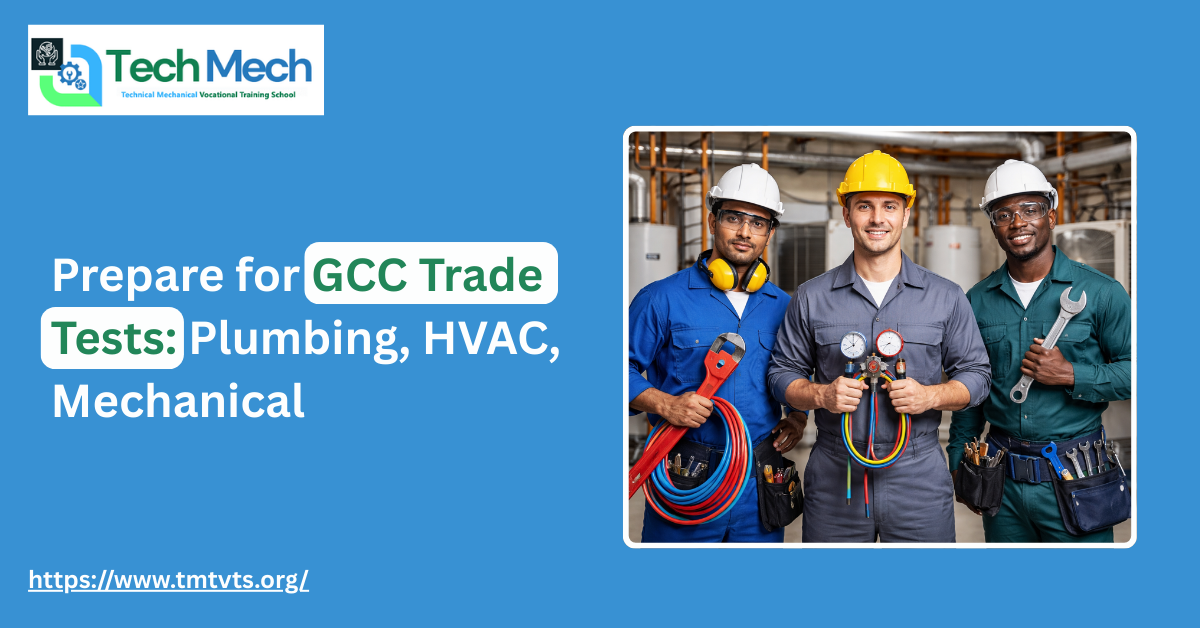
- Pipe wrench
- Adjustable spanner
- Pipe cutter
- Threading machine
- Measuring tape and level
Common Plumbing Test Tips
- Practice clean and straight pipe alignment
- Avoid leaks test joints properly
- Follow correct slope for drainage
- Work neatly; appearance matters
- Use PPE (gloves, safety shoes)
Technical Knowledge to Revise
- Difference between PPR, PVC, CPVC, and GI pipes
- Hot vs cold water systems
- Basic pressure testing
- Sanitary and drainage layouts
HVAC Trade Test Preparation
HVAC trade tests are more technical and may combine mechanical, electrical, and control knowledge.
Skills Commonly Tested
- Installation of split AC, package units, or ducting
- Refrigerant charging and recovery
- Copper pipe bending and brazing
- Troubleshooting AC faults
- Understanding airflow and cooling cycles
Tools & Equipment to Practice
- Manifold gauge set
- Vacuum pump
- Pipe bender
- Multimeter
- Gas torch (for brazing)
Key HVAC Concepts to Know
- Refrigeration cycle (compressor, condenser, evaporator)
- Difference between R22, R410A, R134a
- Pressure and temperature readings
- Basic electrical wiring for AC units
Test-Day Tips
- Ensure leak-free brazing joints
- Maintain correct refrigerant pressure
- Secure ducting properly
- Label wiring neatly
- Follow lock-out/tag-out safety practices
Mechanical Trade Test Preparation
Mechanical roles include mechanical technicians, welders, fitters, maintenance staff, and equipment technicians.
Common Skills Assessed
- Mechanical assembly and disassembly
- Use of hand tools and power tools
- Equipment maintenance tasks
- Reading mechanical drawings
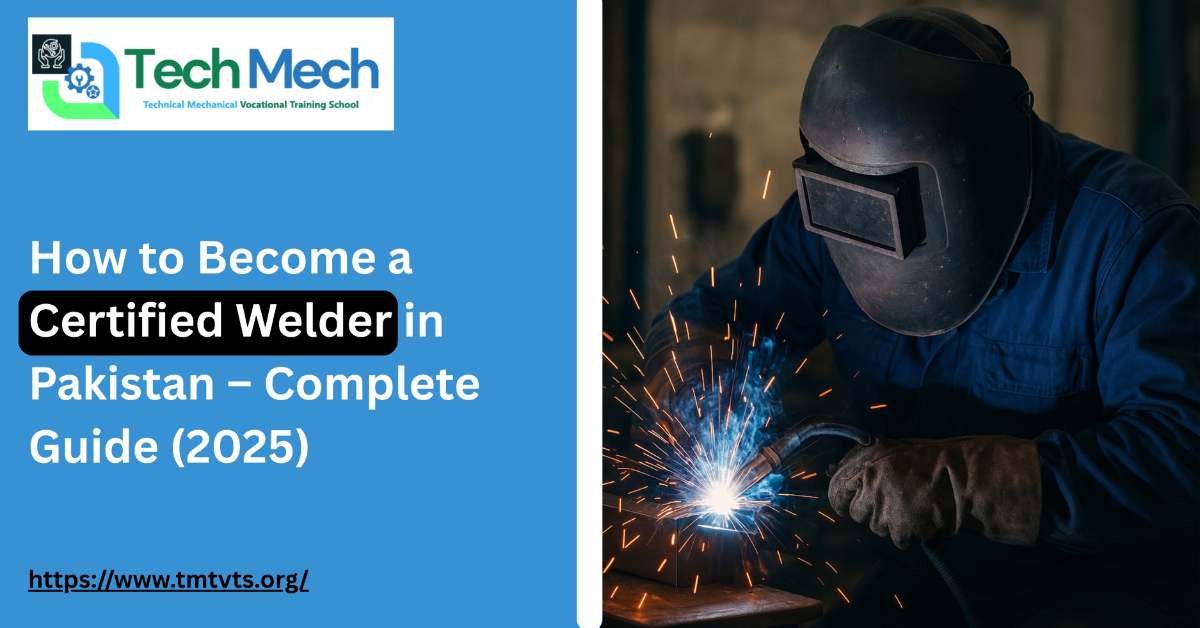
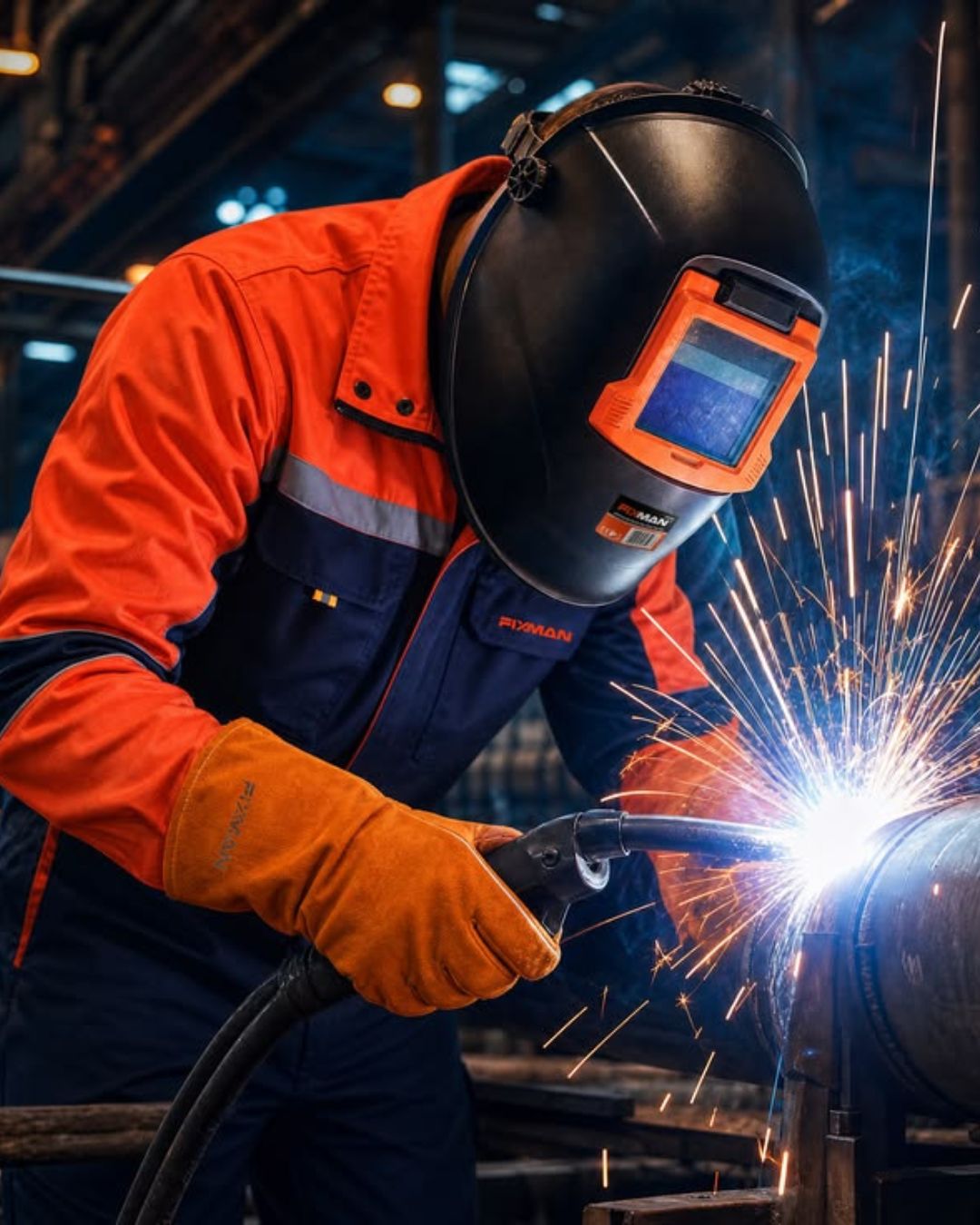
- Welding (for welders)
Welding-Specific Expectations
- Ability to perform fillet, groove, or butt welds
- Familiarity with SMAW, FCAW, MIG, or TIG
- Clean weld beads with proper penetration
- Correct electrode selection
Mechanical Knowledge to Revise
- Bearings, shafts, couplings
- Pumps, compressors, and valves
- Preventive vs corrective maintenance
- Lubrication basics
- Torque and alignment concepts
Safety Is Critical
Mechanical tests heavily emphasize safety awareness, including:
- PPE usage
- Machine guarding
- Hazard identification
- Safe lifting techniques
Importance of Reading Drawings & Symbols
Many candidates fail trade tests not due to lack of skill, but because they cannot read drawings.
You should practice:
- Simple plumbing and HVAC layouts
- Welding symbols
- Isometric drawings
- Measurement units (metric system)
Understanding drawings shows employers that you can work independently on-site.
Physical Fitness & Work Discipline
GCC employers also assess:
- Ability to stand for long hours
- Manual handling capability
- Heat tolerance
- Discipline and attitude
Be prepared to:
- Follow instructions calmly
- Work under supervision
- Complete tasks within time limits
Common Reasons Candidates Fail Trade Tests
Avoid these common mistakes:
- Poor finishing and messy work
- Ignoring safety procedures
- Lack of confidence
- Wrong tool usage
- Inability to explain your work
- Rushing and making avoidable errors
How to Prepare Before Appearing for the Test
1. Practice Daily
Hands-on practice is the best preparation. If possible, work in a workshop or training center before appearing.
2. Revise Basics
Strong fundamentals matter more than advanced theory.
3. Learn Site Safety
Many employers reject candidates who ignore safety rules even if skills are good.
4. Get Familiar with Tools
Know the names and proper use of all common tools.
5. Mock Trade Tests
Practice under timed conditions to build confidence.
Documents to Carry for GCC Trade Tests
- Updated CV
- Passport copy
- Experience certificates
- Trade certificate (if available)
- PPE (if instructed)
Final Tips for Success
- Be calm and confident
- Ask questions if instructions are unclear
- Work cleanly and professionally
- Show willingness to learn
- Respect supervisors and assessors
Remember, trade tests are not designed to fail you they are meant to confirm that you are job-ready.
Ready to work in the GCC?
Prepare your skills, pass your trade test, and apply for overseas opportunities in plumbing, HVAC, and mechanical roles today. Contact us now to get started.
Conclusion
Preparing for GCC trade tests in Plumbing, HVAC, and Mechanical roles requires a mix of practical skill, technical knowledge, safety awareness, and discipline. With focused preparation and the right mindset, you can significantly improve your chances of passing the test and securing a rewarding overseas career.
Skilled workers are always in demand across GCC projects. Proper preparation today can open the door to long-term job stability, better income, and professional growth tomorrow.
Start your Training today with Tech Mech Technical & Mechanical Vocational Training School!